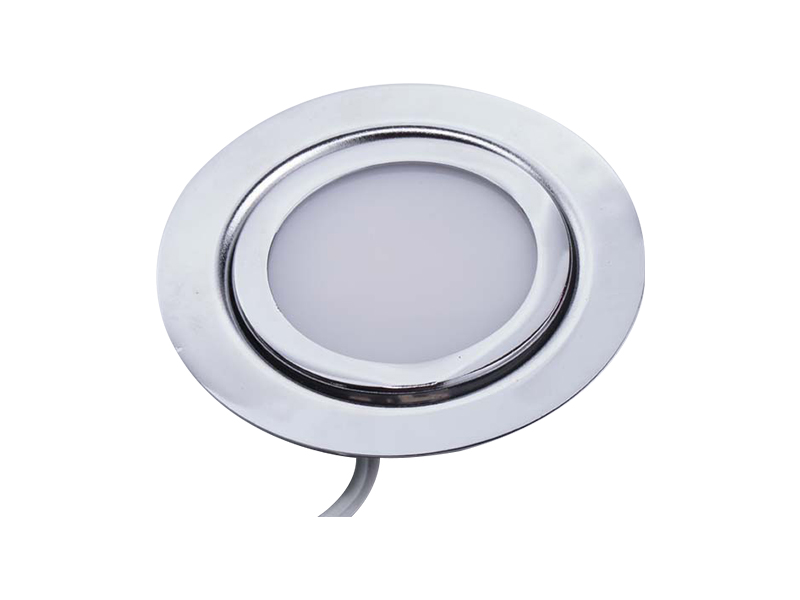
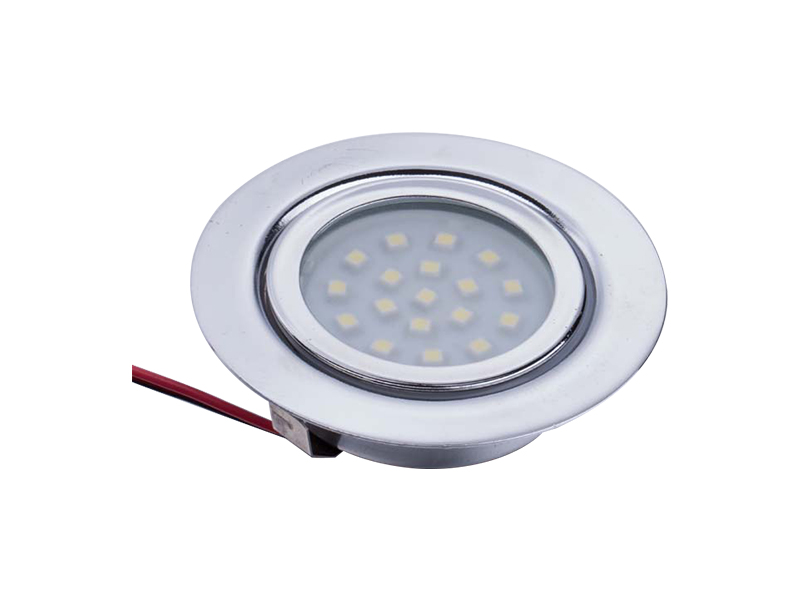
Do the under-LED cabinet lights support overvoltage protection, overheat protection, and short circuit protection?
Understanding Protection Mechanisms in Under LED Cabinet Lights
The adoption of under LED cabinet lights in residential, commercial, and industrial settings has expanded due to their compact design and ability to deliver lighting in confined or task-specific environments. These lighting devices are often installed beneath kitchen cabinets, retail shelves, industrial workstations, or display units where exposure to voltage fluctuations, extended operation hours, and potential wiring risks may occur. As users demand greater reliability and safety, a key question arises regarding whether LED cabinet lights provide overvoltage protection, overheat protection, and short circuit protection. Understanding these protective mechanisms helps evaluate operational safety and long-term performance while giving insights into the electrical engineering aspects behind modern lighting systems.
The Role of Overvoltage Protection in Under LED Cabinet Lights
Electrical systems are subject to voltage spikes caused by lightning interference, unstable power infrastructure, switching operations, or sudden load changes. Under LED cabinet lights that include overvoltage protection components such as metal oxide varistors, transient voltage suppressor diodes, or regulated driver circuitry can reduce the effect of voltage surges. Overvoltage protection aims to help the LED cabinet lights maintain stable operation without immediate shutdown or internal component strain. Without this mechanism, prolonged exposure to power spikes may gradually degrade semiconductor elements, driver boards, or wiring insulation, leading to reduced operational reliability. When properly integrated, overvoltage control supports operational confidence in environments where voltage stability is uncertain.
How Overvoltage Protection Functions in LED Cabinet Lights
The functionality of overvoltage protection is based on the principle of redirecting or absorbing excess voltage before it reaches the core circuitry of under LED cabinet lights. A regulated driver system automatically adjusts the input to match the required output tolerance for LEDs, which typically operate at lower voltages with narrow acceptable ranges. Protection components respond within microseconds when a surge occurs. This reaction time is intended to help control the risk of thermal buildup caused by voltage saturation. For users installing LED cabinet lights in older buildings, manufacturing plants, or areas susceptible to power inconsistencies, overvoltage protection serves as a central requirement for dependable lighting.
The Importance of Overheat Protection for Long-Term Use
Heat generation is inherent to electronic equipment, including LED technology. Although LEDs generally produce lower temperatures than traditional bulbs, the drivers and electrical pathways generate heat during prolonged use. Under LED cabinet lights that incorporate overheat protection mechanisms can limit thermal accumulation by using temperature sensors, heat-dissipating materials, or automated system shutdown functions. Overheat protection aims to help prevent internal materials from excessive temperature exposure, which can influence luminosity output consistency and structural integrity of the housing or lens components. Overheat controls add value to systems installed in enclosed spaces that may limit natural heat dispersion.
Overheat Protection and Material Design Considerations
The material composition of LED cabinet lights contributes to heat regulation in collaboration with overheat protection technology. Aluminum heat sinks, thermal conductive silicone pads, and breathable housing structures help redirect thermal energy away from circuitry. Temperature sensors serve as reporting components that trigger power reduction or shutdown processes when pre-set limits are reached. These designs support prolonged operation and can help reduce the risk of thermal stress during continuous lighting periods such as extended store hours or overnight illumination.
| Protection Type |
Primary Purpose |
Common Components |
| Overvoltage Protection |
Responds to power surges |
MOVs, TVS diodes, regulators |
| Overheat Protection |
Limits excessive temperature |
Sensors, thermal pads, heat sinks |
| Short Circuit Protection |
Stops unintended current flow |
Fuses, breakers, auto cut-off |
Exploring Short Circuit Protection in Under LED Cabinet Lights
Short circuit scenarios occur when unintended contact creates a low-resistance pathway, allowing current to flow beyond normal system capacity. LED cabinet lights that provide short circuit protection may stop the electrical supply immediately through internal cutoff mechanisms. The presence of short circuit protection plays a role in reducing risks associated with wiring damage, installation mistakes, or insulation degradation. For environments where multiple lighting fixtures are connected in series or daisy-chained operations, short circuit protection can help support general system stability by preventing a single failure from affecting other fixtures.
The Interaction of Protection Technologies in LED Cabinet Lights
When integrated into under LED cabinet lights, overvoltage, overheat, and short circuit protection mechanisms operate in combination. Each function corresponds to specific electrical or environmental conditions, yet the overall safety concept is built on coordinated regulation and response. Overvoltage protection may activate during external power fluctuations, overheat protection may respond to operational heat, while short circuit protection may engage due to wiring issues. Together, these protections can contribute to balanced performance even in demanding installations, such as commercial kitchens, refrigerated cases, woodworking stations, or electronics workshops.
Material Selection and Protection Efficiency
Material choice is one of the defining elements that influence protection capabilities in LED cabinet lights. The selection of conductive metals, insulation components, and LED drivers directly impacts heat, voltage stability, and internal circuitry control. Using fire-retardant plastics for housing structures reduces risks in emergency situations, whereas using PVC-free wiring can minimize degradation when exposed to cleaning chemicals. Manufacturers often adjust material thickness, composition, or coatings based on anticipated environmental conditions. Under LED cabinet lights used in oil vapor, humidity, or dust-filled areas may include coatings that protect electrical surfaces from corrosion or buildup.
| Material |
Functional Property |
Relevance in LED Cabinet Lights |
| Aluminum Alloy |
Heat dissipation |
Helps manage temperature |
| Fire-retardant Plastic |
Safety tolerance |
Housing and cover layers |
| Soldered Copper |
Electrical conduction |
Internal circuitry connections |
Environmental Conditions That Influence Protection Needs
Under LED cabinet lights installed in different environments encounter distinct operational demands. High humidity spaces such as kitchens or bath areas introduce moisture challenges that may influence wiring insulation. Retail environments often require extended operational hours, placing demands on heat management systems. Industrial locations may experience chemical exposure or airborne particulates that affect electrical surfaces. When selecting LED cabinet lights for these conditions, users often review whether the lighting product includes integrated protection features aligned with the expected operating environment.
How Installation Techniques Affect Protection Results
The performance of protection mechanisms in LED cabinet lights does not depend solely on internal circuitry; installation methods also influence outcomes. Proper spacing from enclosed surfaces supports ventilation, while the use of compatible power supplies ensures voltage uniformity. Installing LED cabinet lights with strain-relief features reduces cable tension, which may otherwise contribute to short circuit risks. If LED lights are connected using extension wiring or adapters not rated for the required current, the protective features may not provide the desired control effect.
Power Supplies and Their Impact on Safety Protections
The power supply accompanying under LED cabinet lights often contains its own version of protective components. A stable driver system plays a role in controlling voltage input and shielding LEDs from irregular power flow. Many LED cabinet lights operate with low-voltage DC outputs supplied through AC adapters or transformers. The design of these supplies influences how effectively overvoltage or short circuit interruptions are managed.
Overvoltage and Overheat Protection in Commercial Installations
Commercial settings present conditions where protective features in LED cabinet lights show practical use. Restaurants, warehouse shelving, manufacturing lines, or retail showcases require consistent lighting, often operating multiple hours per day. Increased heat from cooking equipment, dense wiring networks, and frequent electrical load changes make protective functions more relevant. Overvoltage control provides stability during peak demand cycles, while overheat protection can help with long-term reliability during continuous operation.
LED Cabinet Lights in Residential Applications
In residential usage, under LED cabinet lights are commonly installed in kitchens, home offices, or display areas. Although electrical demands are lower than industrial environments, voltage fluctuations may still occur. Homeowners benefit from overheat protection particularly when lighting is installed in closed wooden cabinetry or near appliances that radiate heat. Short circuit protection helps reduce risks related to DIY installation practices, including wiring direction mistakes or improper power routing.
Comparing LED Cabinet Lights With and Without Protection Features
The presence or absence of protective mechanisms can influence long-term usage considerations. LED cabinet lights without integrated protection may require the addition of external surge protectors, temperature control modifications, or more frequent inspection schedules. Lights that incorporate comprehensive protection are often designed to manage fluctuations without requiring extra modules. Users often examine product specifications, installation manuals, or manufacturer guidelines to understand whether these protection systems are embedded in the design.
| Feature Category |
With Integrated Protection |
Without Integrated Protection |
| Voltage Stability |
May handle fluctuations internally |
Dependent on external accessories |
| Heat Regulation |
Controlled through sensing components |
Higher risk of thermal stress |
| Short Circuit Response |
Automatic cutoff |
Manual intervention required |
Protection Features in Under LED Cabinet Lights
Under LED cabinet lights that include overvoltage protection, overheat protection, and short circuit protection are designed to operate under diverse conditions while controlling risk factors associated with electric lighting. These protective systems function independently yet work together to manage power flow, temperature stability, and electrical continuity. Users considering LED cabinet lights for residential, commercial, or industrial spaces may evaluate the presence of these protective designs as part of installation planning, safety expectations, and operational lifecycle assessment.
```html


 English
 Español
 中文简体
中文简体