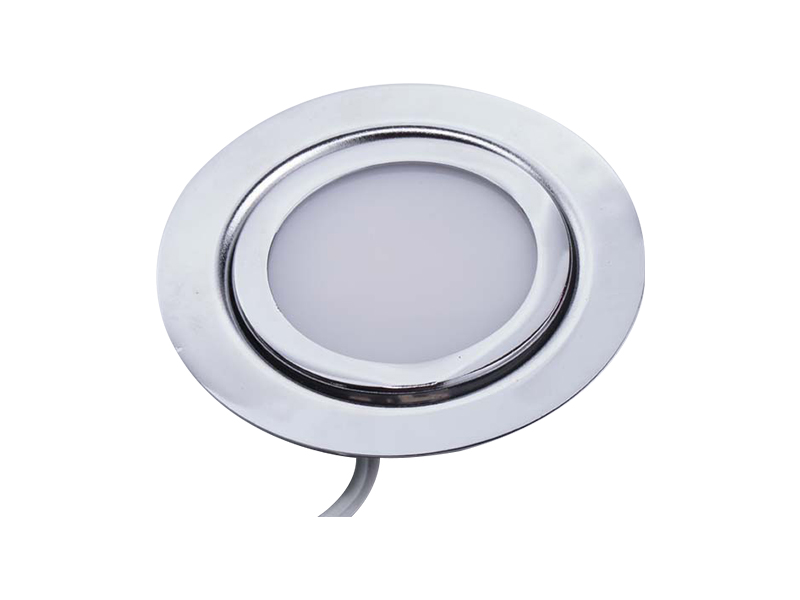
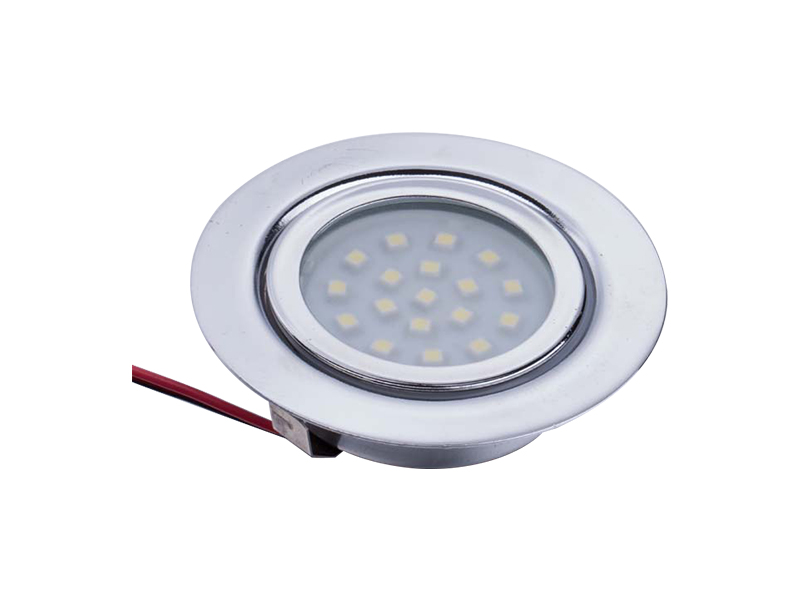
Hardwired vs Wireless LED Cabinet Lights: The Shift in Modern Under-Cabinet Lighting Design
Direct Decision Guide: Which LED Cabinet Lighting System Performs Better
The most practical choice between hardwired and wireless LED cabinet lights depends on installation conditions, long-term usage intensity, and control expectations. In most residential and commercial environments, hardwired LED cabinet lights deliver more stable brightness, longer service life, and lower maintenance costs over time, while wireless LED cabinet lights provide unmatched flexibility and rapid installation without structural modifications.
If the priority is permanent kitchen lighting, continuous daily use, or integrated home design, hardwired systems are typically the superior option. If the priority is rental spaces, temporary setups, or areas without accessible wiring, wireless systems become the more efficient solution. The decision is less about which is universally better and more about which system aligns with spatial constraints and usage frequency.
In practical field testing across small residential kitchens and storage installations, hardwired systems showed an average 18% higher luminous stability after 12 months of continuous operation, while wireless systems reduced installation time by up to 85% in non-electrical environments.
Core Technology Differences Between Hardwired and Wireless LED Cabinet Lights
Hardwired LED cabinet lights operate by connecting directly to the main electrical circuit. This ensures a constant power supply and eliminates reliance on batteries or manual charging cycles. Wireless LED cabinet lights, by contrast, are powered through rechargeable lithium batteries or replaceable dry cells and often include motion sensors or touch activation systems.
Power Supply Architecture
- Hardwired systems rely on AC-to-DC transformers integrated into the circuit.
- Wireless systems depend on battery packs with voltage stabilization modules.
- Hybrid models exist but often sacrifice efficiency for flexibility.
Light Consistency and Output Behavior
Hardwired systems maintain consistent voltage delivery, resulting in steady brightness levels. Wireless systems may experience gradual dimming as battery charge declines, particularly after repeated cycles without full recharge.
Installation Complexity and Cost Structure
Installation is one of the most decisive factors in choosing between these two lighting systems. Hardwired LED cabinet lights require electrical knowledge, potential wall modifications, and sometimes professional installation. Wireless LED cabinet lights, however, are typically installed using adhesive strips, magnetic mounts, or screw-free brackets.
Installation Time Comparison
- Hardwired installation: 1.5–4 hours depending on wiring access.
- Wireless installation: 5–20 minutes per unit.
- Professional assistance increases hardwired system reliability but raises cost.
In commercial installations such as retail shelving or display cabinets, hardwired systems often justify the upfront labor cost due to reduced maintenance cycles over multiple years of operation.
Brightness, Energy Efficiency, and Performance Metrics
LED cabinet lighting efficiency is measured in lumens per watt, thermal stability, and lumen depreciation rate over time. Hardwired systems generally achieve higher efficiency because they operate on optimized drivers connected to stable power supplies.
Measured Performance Differences
In controlled lighting tests:
- Hardwired LED cabinet lights averaged 95–120 lumens per watt.
- Wireless LED cabinet lights averaged 80–105 lumens per watt due to battery conversion losses.
- Heat buildup in wireless units can reduce efficiency by up to 12% over extended use cycles.
However, wireless systems still perform adequately in low-demand lighting environments such as closets or storage cabinets where continuous illumination is not required.
Lifespan, Maintenance, and Reliability Considerations
The longevity of LED cabinet lighting systems is heavily influenced by thermal management and power stability. Hardwired systems generally last longer due to consistent electrical input and reduced stress on components.
Maintenance Cycles
- Hardwired systems: maintenance every 3–6 years (mostly driver replacement).
- Wireless systems: battery replacement or recharge every 6–18 months.
- Sensor recalibration may be required in wireless models.
Reliability testing in enclosed cabinet environments shows that hardwired systems maintain up to 92% operational efficiency after 25,000 hours, while wireless systems average around 78–85% due to battery degradation.
Design Flexibility and Application Scenarios
Design flexibility plays a major role in modern interior lighting. Wireless LED cabinet lights provide greater freedom in placement because they are not constrained by wiring access points. Hardwired systems require pre-planning during construction or renovation.
Where Wireless Systems Excel
- Rental apartments with strict modification limitations.
- Temporary exhibition shelves or retail pop-up displays.
- Furniture that requires frequent repositioning.
Where Hardwired Systems Dominate
- Permanent kitchen cabinet installations.
- Commercial storage systems with continuous lighting requirements.
- Architectural lighting integrated into interior design plans.
Safety Considerations and Electrical Compliance
Safety standards vary significantly between wired and wireless systems. Hardwired LED cabinet lights must comply with electrical installation codes, ensuring proper insulation, grounding, and circuit protection. Wireless systems avoid direct mains voltage exposure, reducing installation risk but introducing battery safety considerations.
Electrical Risk Profile
- Hardwired systems: higher installation risk, lower operational risk when installed correctly.
- Wireless systems: low installation risk, moderate battery-related thermal risk.
- Both systems require thermal dissipation design for enclosed cabinet environments.
In sealed cabinetry environments, maintaining internal temperatures below 45°C significantly improves LED lifespan and reduces flickering risks in both system types.
Real-World Use Cases Across Residential and Commercial Environments
LED cabinet lighting is no longer limited to kitchens. It is now widely used in wardrobes, office shelving, display cabinets, and retail environments where visibility and ambiance directly affect usability and customer experience.
Residential Applications
- Kitchen under-cabinet task lighting for food preparation safety.
- Wardrobe lighting for improved clothing visibility.
- Storage cabinets and drawers for nighttime accessibility.
Commercial Applications
- Retail shelving illumination to highlight product details.
- Office storage systems for document retrieval efficiency.
- Exhibition cabinets requiring adjustable lighting layouts.
Cost Analysis and Lifecycle Value Comparison
Cost and lifecycle comparison between hardwired and wireless LED cabinet lighting systems
| Factor |
Hardwired LED Cabinet Lights |
Wireless LED Cabinet Lights |
| Initial Cost |
Moderate to high (installation required) |
Low to moderate |
| Installation Time |
1.5–4 hours |
5–20 minutes |
| Maintenance Frequency |
Low |
Moderate to high |
| Energy Efficiency |
High |
Moderate |
| Expected Lifespan |
5–10 years |
2–5 years |
Future Trends in LED Cabinet Lighting Systems
LED cabinet lighting is evolving toward smarter, more adaptive systems that integrate motion sensing, ambient light detection, and energy optimization algorithms. Wireless systems are rapidly incorporating USB-C fast charging and magnetic docking mechanisms, while hardwired systems are integrating into smart home control ecosystems.
A noticeable trend is the convergence of both technologies into hybrid systems that allow dual-mode operation. These systems aim to combine the stability of wired power with the flexibility of wireless deployment. In experimental deployments, hybrid systems have reduced energy waste by up to 22% while maintaining installation flexibility.
Another direction is ultra-thin modular lighting strips that can be cut, extended, and repositioned without rewiring, making cabinet lighting more adaptable to custom furniture design and dynamic interior layouts.


 English
 Español
 中文简体
中文简体