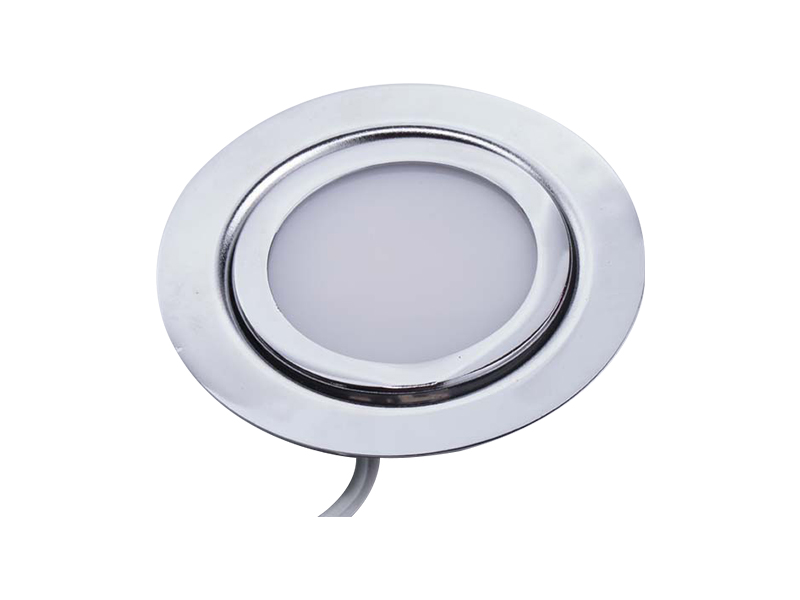
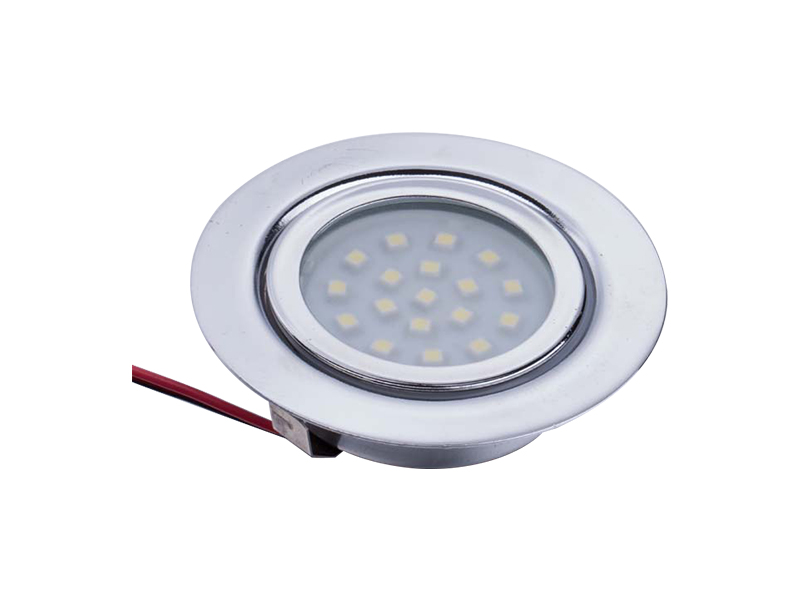
LED Cabinet Lights: Energy-Efficient Under-Cabinet Lighting Solutions
Overview of LED Cabinet Lights
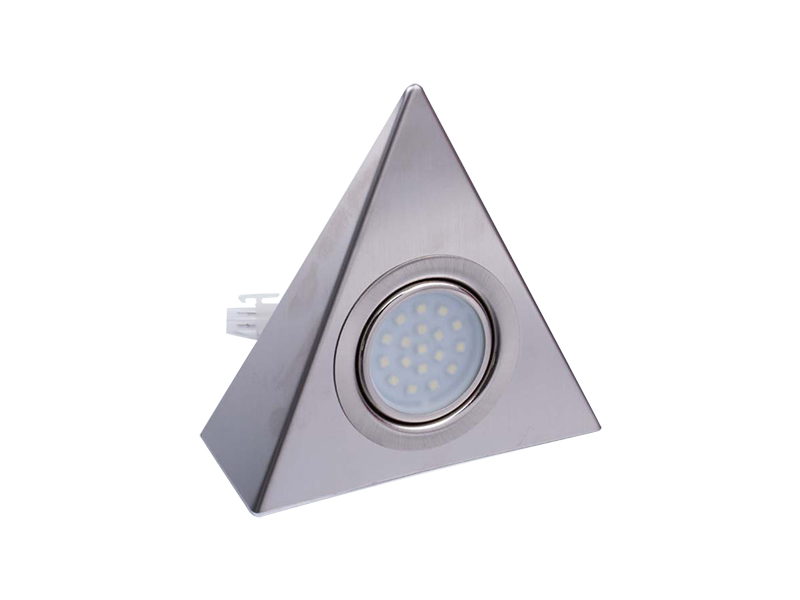
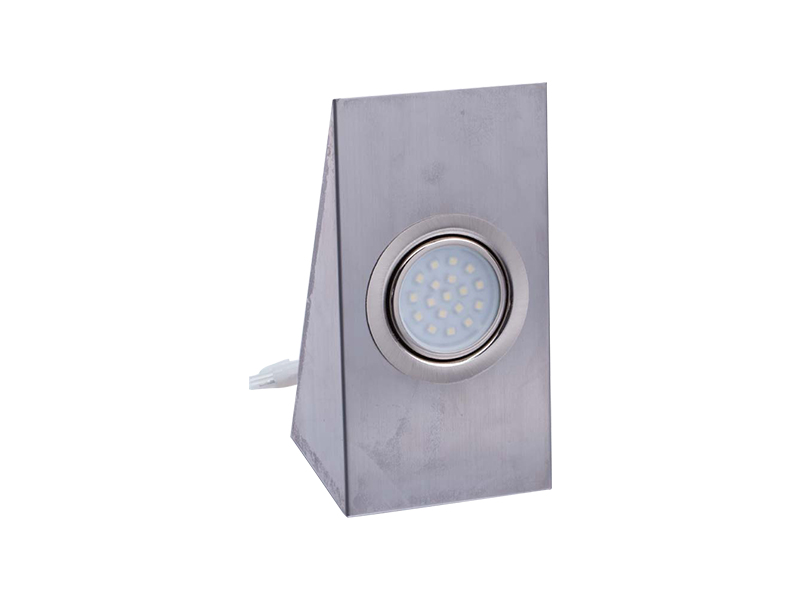
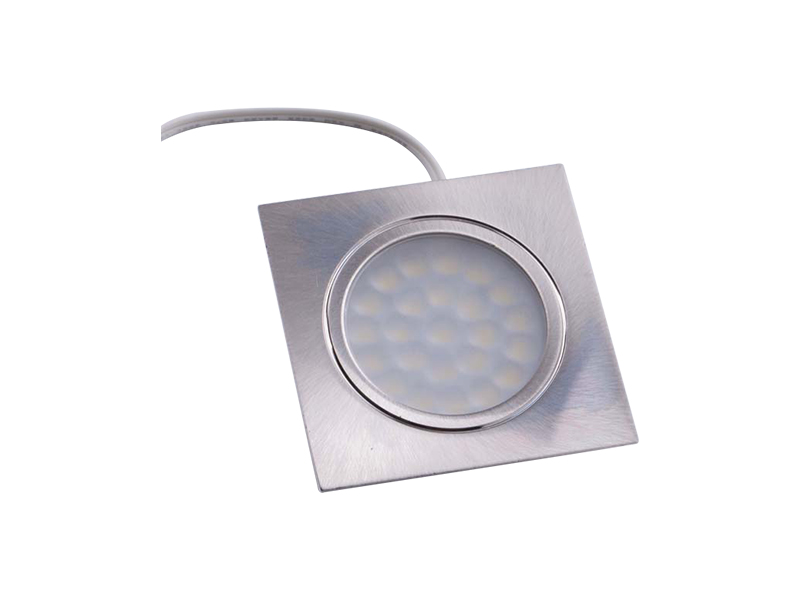
LED cabinet lights provide focused illumination for kitchen cabinets, workstations, and display areas. They enhance visibility, improve aesthetics, and offer energy-efficient lighting solutions compared to traditional fluorescent or incandescent lights.
Modern LED cabinet lights are compact, long-lasting, and can be integrated as under-cabinet LED lighting to illuminate countertops or work surfaces, providing practical and ambient lighting in residential or commercial settings.
Types of LED Cabinet Lights
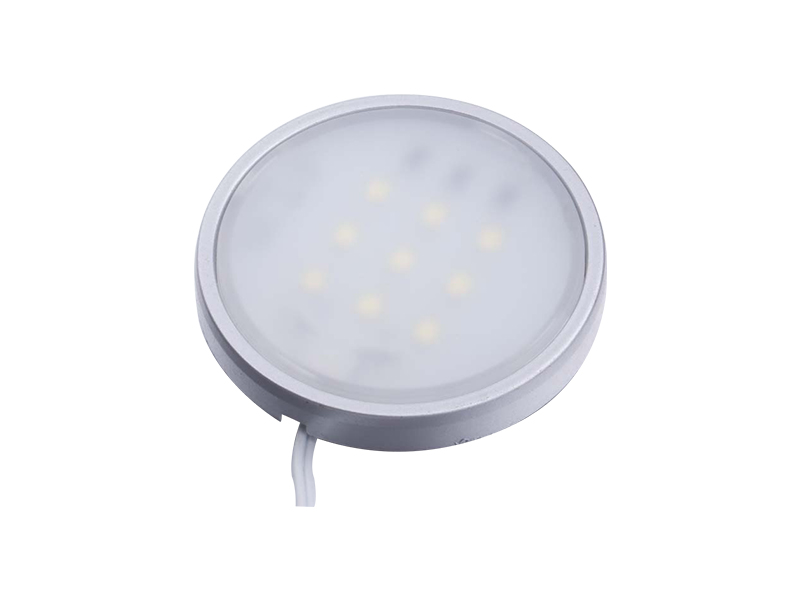
Puck Lights
Puck lights are small, circular LED units often used for accent lighting inside cabinets. They create concentrated spots of light and are ideal for display shelves or highlighting decorative items. Typical power ratings range from 1W to 3W per puck.
Linear Strip Lights
LED strip lights offer continuous illumination along the length of a cabinet or under-cabinet surface. They are available in various lengths, color temperatures, and brightness levels. High-quality strips often have 120–180 LEDs per meter for uniform lighting.
Bar Lights
Bar lights are rigid LED modules mounted beneath cabinets. They combine durability with sleek design and provide consistent light distribution. Power ratings typically range from 6W to 15W per bar, depending on length.
Wireless and Battery-Powered Options
Wireless LED cabinet lights allow flexible installation without hardwiring. Rechargeable battery-powered units are convenient for renters or temporary setups. Some models include motion sensors for automatic activation.
Benefits of LED Cabinet Lighting
- Energy efficiency: LEDs consume up to 80% less energy than traditional lighting.
- Longevity: Lifespan ranges from 25,000 to 50,000 hours, reducing maintenance costs.
- Enhanced visibility: Provides task lighting for kitchen counters, workbenches, and display shelves.
- Versatility: Available in various color temperatures from warm white to cool white.
- Low heat emission: Safe for close-contact installations inside cabinets.
Installation Considerations
Placement and Positioning
For optimal illumination, LED cabinet lights should be placed 2–3 inches from the cabinet edge and angled to reduce shadows on the work surface. Linear strips should be installed continuously for uniform light distribution.
Wiring and Power Supply
Hardwired LED lights require proper voltage matching, typically 12V or 24V DC for strip and puck lights. For wireless options, battery or USB-powered units simplify installation but may require periodic recharging.
Dimming and Control Options
Many LED cabinet lights include dimmable controllers, remote operation, or integration with smart home systems. Dimming helps save energy and adjust brightness for ambiance or task-specific needs.
Color Temperature and Lighting Quality
Selecting the appropriate color temperature is essential. LED cabinet lights typically range from 2700K (warm white) to 6000K (cool white). Warm white creates a cozy atmosphere, while cool white is ideal for task lighting in kitchens or workspaces.
| Color Temperature |
Best Use |
Effect |
| 2700K–3000K |
Residential kitchens, living rooms |
Warm, cozy light |
| 4000K–4500K |
Workspaces, study areas |
Neutral, balanced lighting |
| 5000K–6000K |
Task-oriented kitchens, workshops |
Bright, daylight-like illumination |
Recommended color temperatures and applications for LED cabinet lighting
Maintenance and Longevity
LED cabinet lights require minimal maintenance. Key practices include:
- Regular dusting of fixtures to maintain brightness.
- Checking connections and power supplies periodically.
- Replacing individual modules if performance drops; LEDs often last 25,000–50,000 hours.
- Ensuring ventilation under cabinets to prevent overheating.


 English
 Español
 中文简体
中文简体