LED Cabinet Lights Guide: Types, Benefits, Installation, and Smart Features
LED Cabinet Lights: Practical Value and Immediate Benefits
LED cabinet lights are compact lighting systems designed to illuminate interior cabinet spaces, improving visibility, aesthetics, and energy efficiency in kitchens, wardrobes, display shelves, and storage units.
Compared to traditional halogen or fluorescent lights, LED cabinet lighting consumes up to 80% less energy and provides a lifespan exceeding 30,000–50,000 hours, making it a long-term, cost-effective lighting solution for both residential and commercial use.
How LED Cabinet Lights Work
LED cabinet lighting operates using semiconductor diodes that emit light when an electric current passes through them. These lights are typically powered by low-voltage drivers for safety and efficiency.
Core Components
- LED light strip or module
- Driver or power supply (12V/24V systems)
- Mounting accessories (adhesive, brackets, clips)
- Control system (switch, sensor, or remote)
Modern LED cabinet systems can achieve luminous efficacy above 120 lumens per watt, making them highly efficient compared to older lighting technologies.
Types of LED Cabinet Lights
Different LED cabinet lighting designs serve specific functional and aesthetic needs.
| Type |
Installation Style |
Brightness Range |
Typical Use |
| LED Strip Lights |
Adhesive flexible strip |
300–1200 lumens/m |
Kitchen under cabinets |
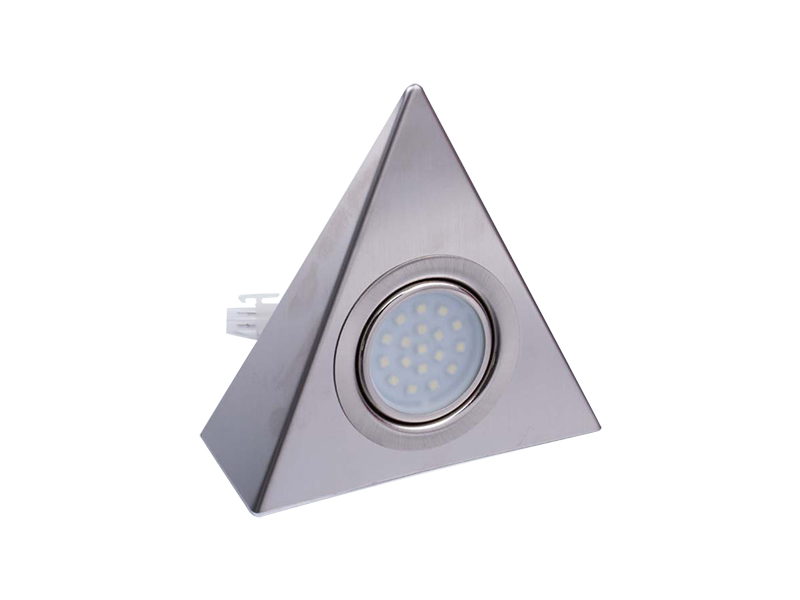
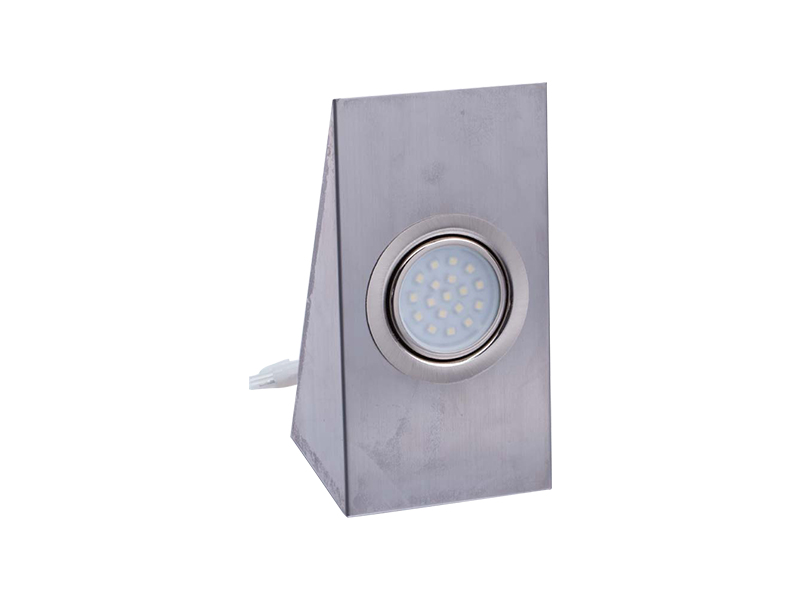
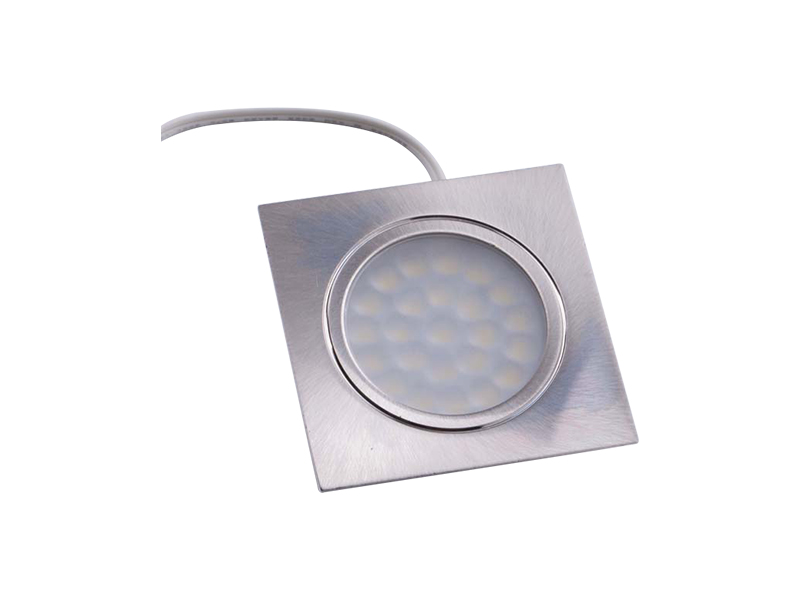
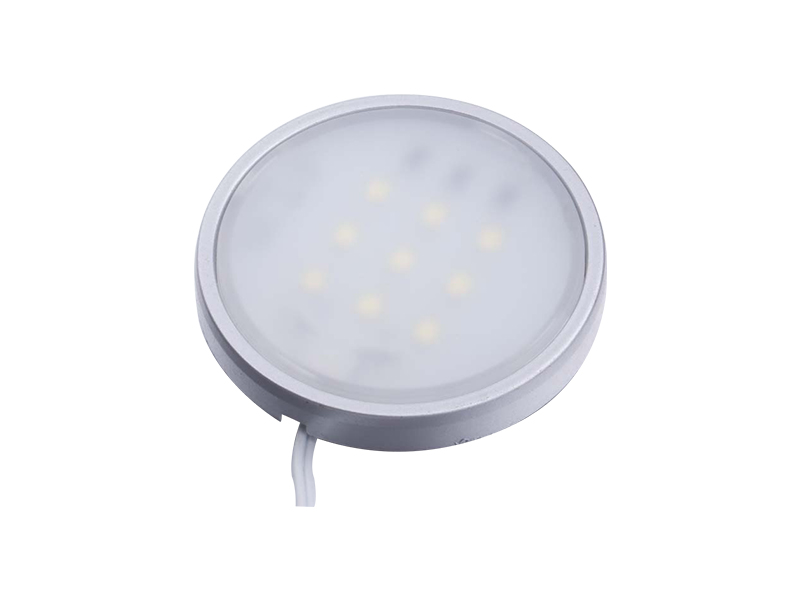
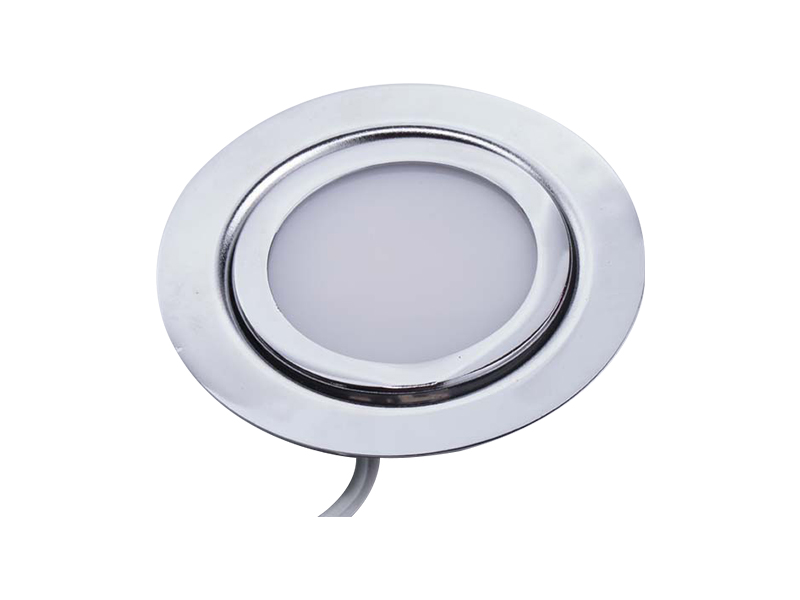
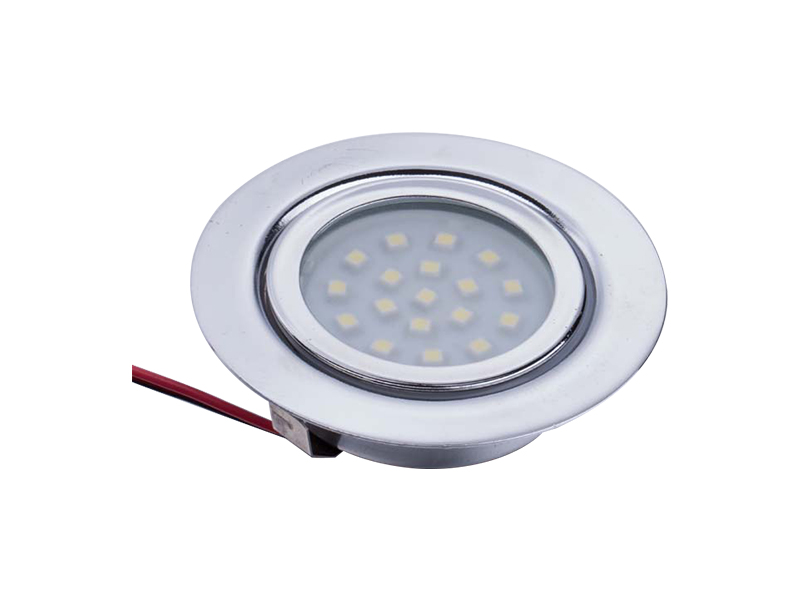
| Puck Lights |
Surface-mounted spots |
80–200 lumens each |
Display cabinets |
| Motion Sensor Lights |
Battery or wired |
100–500 lumens |
Wardrobes, closets |
| Linear Bar Lights |
Fixed mounting bar |
400–1500 lumens |
Modern kitchens |
Comparison of LED cabinet light types and their common applications
Strip lighting remains the most popular choice due to its flexibility and uniform light distribution across long cabinet surfaces.
Benefits of LED Cabinet Lighting
LED cabinet lights provide both functional and aesthetic advantages for residential and commercial interiors.
- Enhanced visibility inside dark storage spaces
- Low heat emission, safe for enclosed spaces
- Long lifespan reducing maintenance frequency
- Energy savings of up to 80% compared to halogen lights
In kitchen environments, LED cabinet lighting can improve task visibility by up to 60%, making food preparation safer and more efficient.
Installation Methods and Design Considerations
Proper installation ensures optimal lighting performance and long-term durability.
Installation Techniques
- Surface mounting with adhesive tape or screws
- Hidden installation under cabinet edges
- Plug-and-play systems for DIY users
Cabinet depth, material reflectivity, and lighting angle should be considered to avoid shadows or uneven brightness.
Correct installation spacing typically ranges between 5–10 cm from the cabinet edge to ensure even light distribution.
Color Temperature and Lighting Effect
LED cabinet lights are available in different color temperatures that affect mood and functionality.
- Warm white (2700K–3000K): cozy atmosphere for bedrooms
- Neutral white (3500K–4500K): balanced lighting for kitchens
- Cool white (5000K–6500K): bright visibility for work areas
Neutral white lighting is the most commonly used in kitchens, accounting for over 55% of residential cabinet lighting installations.
Smart Features in Modern LED Cabinet Lights
Advanced LED cabinet systems now integrate smart control technologies for convenience and energy efficiency.
- Motion sensors for automatic on/off control
- Dimmable brightness adjustment
- App or remote control systems
- Voice assistant compatibility (smart home integration)
Motion-activated cabinet lights can extend battery life by up to 3 times compared to continuously operating systems.
Choosing the Right LED Cabinet Light
Selecting the right lighting system depends on cabinet type, usage, and desired visual effect.
- For kitchens: high brightness strip or bar lights
- For wardrobes: motion sensor LED strips
- For display cabinets: low-angle puck lights
- For modern interiors: dimmable smart systems
A well-planned lighting setup can increase perceived interior space brightness by 30%–50% without increasing actual power consumption.


 English
 Español
 中文简体
中文简体