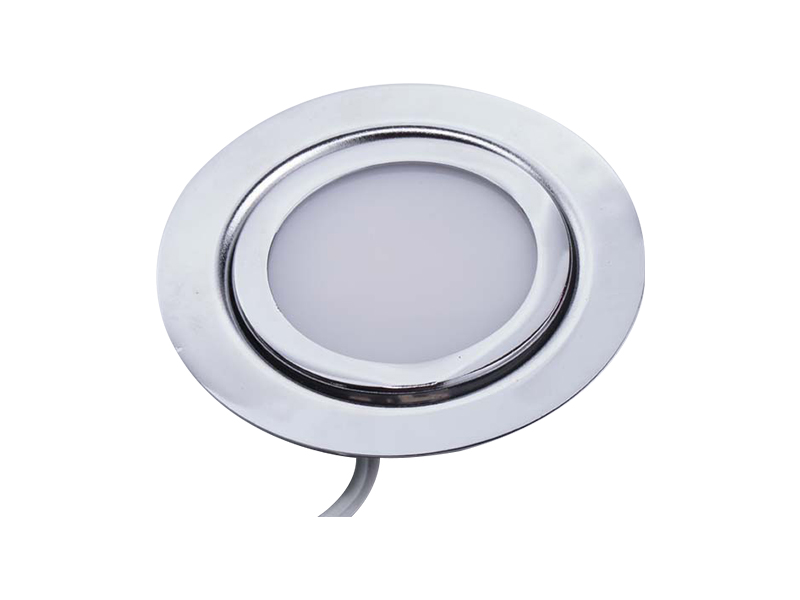
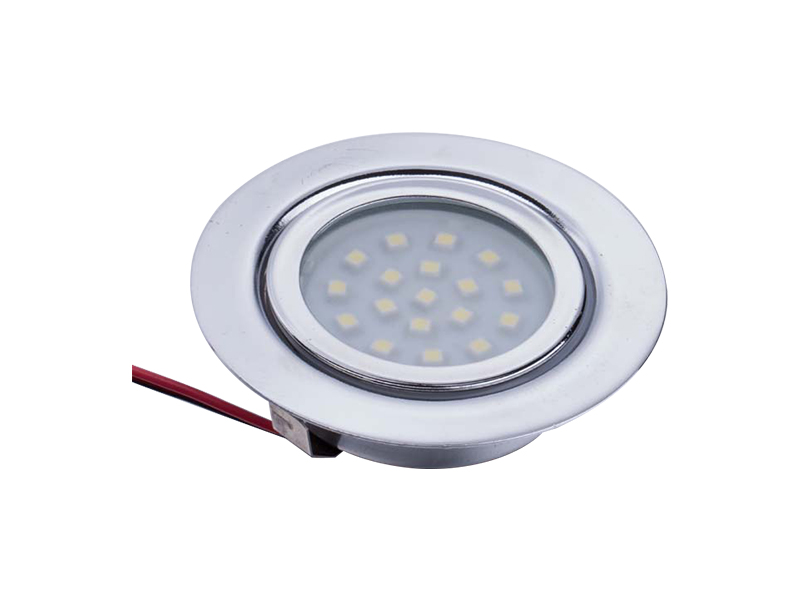
What are the benefits of using LED cabinet lights over traditional lighting options?
Introduction
LED cabinet lights have been gaining increasing popularity in various domestic and commercial settings due to their efficient performance and versatile design. They offer a range of advantages over traditional lighting options such as incandescent, fluorescent, and halogen bulbs. These benefits include energy efficiency, durability, improved aesthetics, and enhanced safety features.
Energy Efficiency
One of the primary reasons why LED lights have become a preferred choice over traditional lighting systems is their energy efficiency. LED lights consume significantly less power compared to incandescent, fluorescent, or halogen bulbs. For example, an LED bulb can provide the same level of brightness as an incandescent bulb but use only a fraction of the energy. This translates to lower electricity bills and reduced environmental impact. LEDs also have a longer lifespan, which means fewer replacements and less waste, further contributing to energy savings and sustainability.
Durability and Longevity
LED lights are designed to last much longer than traditional bulbs. An average LED bulb can last up to 25,000 hours, while an incandescent bulb may only last around 1,000 hours. The durability of LED lights is one of their standout features. Unlike traditional bulbs that use fragile filaments, LEDs are solid-state lighting devices with no moving parts. This makes them more resistant to shock, vibrations, and extreme temperatures, making them ideal for use in cabinets or other environments where lighting may be exposed to potential damage. The longer lifespan of LED lights also reduces the frequency of replacements, which not only saves money but also reduces maintenance efforts and environmental waste.
Improved Aesthetics and Design Flexibility
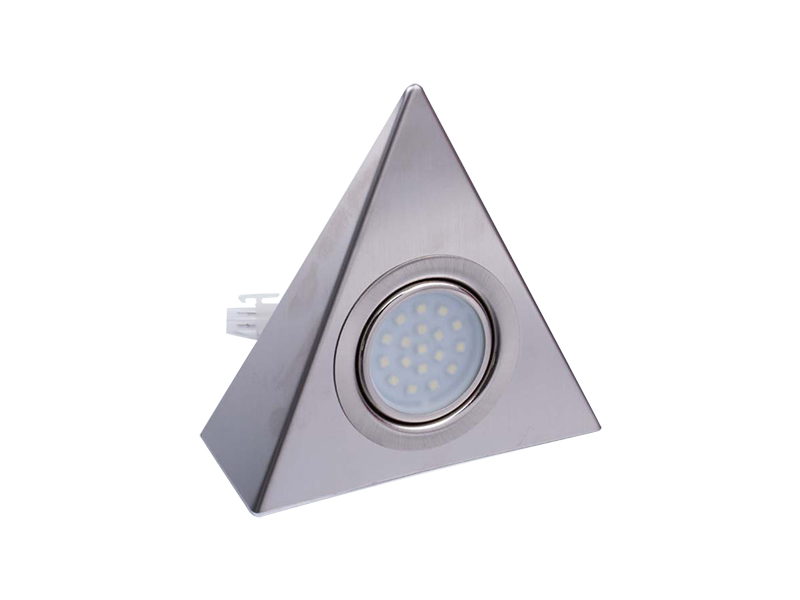
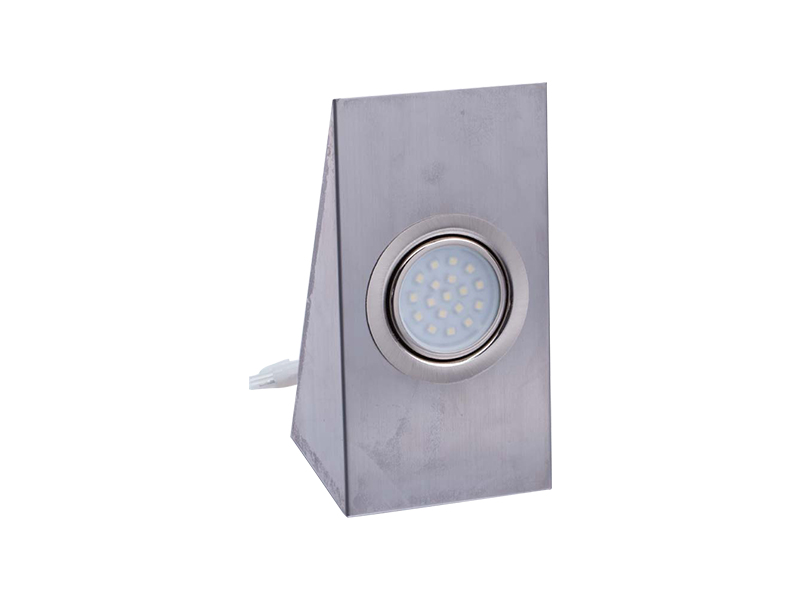
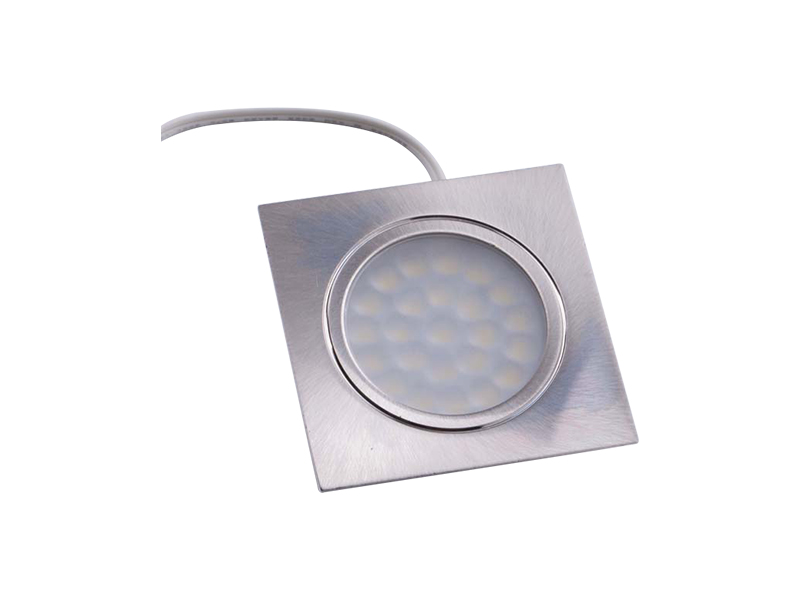
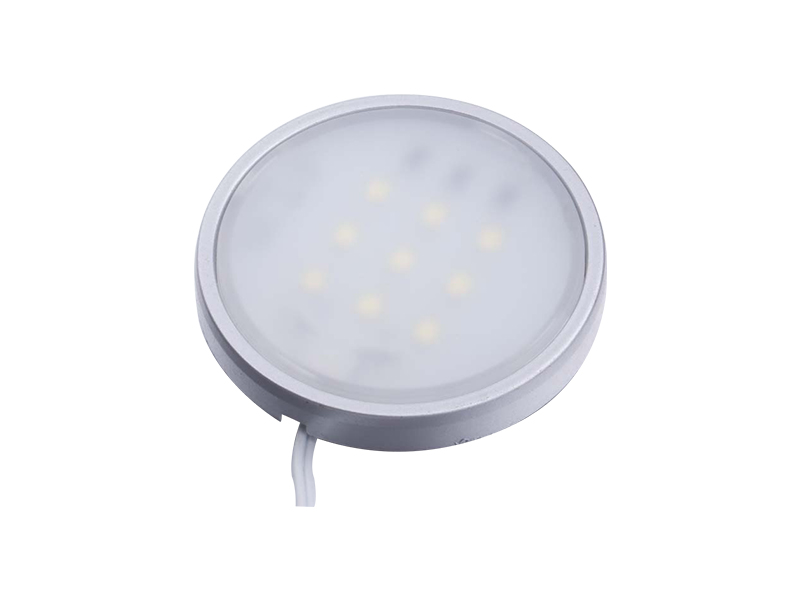
LED cabinet lights offer superior design flexibility compared to traditional lighting options. They are available in a variety of sizes, shapes, and colors, making it easy to find a solution that fits any cabinet or storage space. LEDs can be used to create ambient lighting, accent lighting, or task lighting, providing greater control over the atmosphere of a room. Additionally, LED lights are often smaller and more compact, which allows for a sleeker, more modern design. This design flexibility helps achieve a more aesthetically pleasing look while maximizing the functionality of the space.
Instant Lighting and Dimming Capabilities
Unlike some traditional lighting options, LED cabinet lights provide instant illumination without any warm-up time. This is particularly beneficial in spaces where immediate lighting is required, such as in kitchen cabinets or closets. Furthermore, many LED lights come with dimming capabilities, allowing users to adjust the brightness levels to suit their needs. This added feature enhances the functionality of LED lights, providing versatility in various lighting scenarios. In contrast, traditional lights like incandescent or halogen bulbs are often not dimmable, and their brightness levels cannot be easily adjusted.
Lower Heat Emission
Another notable benefit of LED cabinet lights is their lower heat emission. Traditional lighting options, especially incandescent and halogen bulbs, generate a significant amount of heat during operation. This heat can cause discomfort, increase air conditioning costs, and potentially damage nearby objects in enclosed spaces like cabinets. LED lights, on the other hand, produce very little heat, making them a safer and more comfortable option. The lower heat emission also helps preserve the integrity of sensitive items stored in cabinets, such as food, electronics, and other delicate materials.
Environmental Friendliness
LED lights are more environmentally friendly than traditional lighting options in several ways. They contain no harmful chemicals such as mercury, which is commonly found in fluorescent lights. As a result, LED lights are safer to handle and dispose of, reducing the risk of environmental contamination. Additionally, the energy efficiency of LED lights reduces overall energy consumption, which contributes to a lower carbon footprint. With the growing emphasis on sustainability and reducing environmental impact, LED lights are a more eco-conscious lighting choice for both residential and commercial applications.
Cost Savings
While LED cabinet lights may have a higher upfront cost compared to traditional lighting options, the long-term cost savings are considerable. The energy efficiency of LEDs reduces electricity bills over time, and their longer lifespan means fewer replacements and reduced maintenance costs. In many cases, the total cost of ownership of LED lights can be lower than that of incandescent or fluorescent bulbs, making them a smart investment for homeowners and businesses looking to reduce operating costs.
Safety Features
LED lights offer enhanced safety features compared to traditional lighting options. As mentioned earlier, LEDs produce very little heat, reducing the risk of burns or fires in enclosed spaces. They also operate at a lower voltage, making them safer to use in areas where electrical safety is a concern. Traditional lighting options, such as halogen bulbs, can reach extremely high temperatures and pose a greater risk of causing accidents, particularly in spaces with limited ventilation.
Energy Consumption Comparison
| Lighting Type |
Power Consumption (W) |
Average Lifespan (Hours) |
Annual Energy Cost (Based on 1000 Hours Usage) |
| LED |
8 |
25,000 |
$1.20 |
| Incandescent |
60 |
1,000 |
$9.00 |
| Fluorescent |
15 |
10,000 |
$2.40 |


 English
 Español
 中文简体
中文简体