What are the differences between recessed and surface-mount LED cabinet lights?
Understanding LED Cabinet Lighting in Interior Spaces
LED cabinet lights are commonly used in kitchens, wardrobes, display cabinets, offices, and commercial interiors to provide localized illumination. They enhance visibility, support functional tasks, and contribute to the overall atmosphere of a space. Among the available installation types, recessed and surface-mount LED cabinet lights are two widely used options. Each type has its own structural characteristics, installation requirements, and visual impact, which leads to different use cases in residential and commercial environments.
Basic Concept of Recessed LED Cabinet Lights
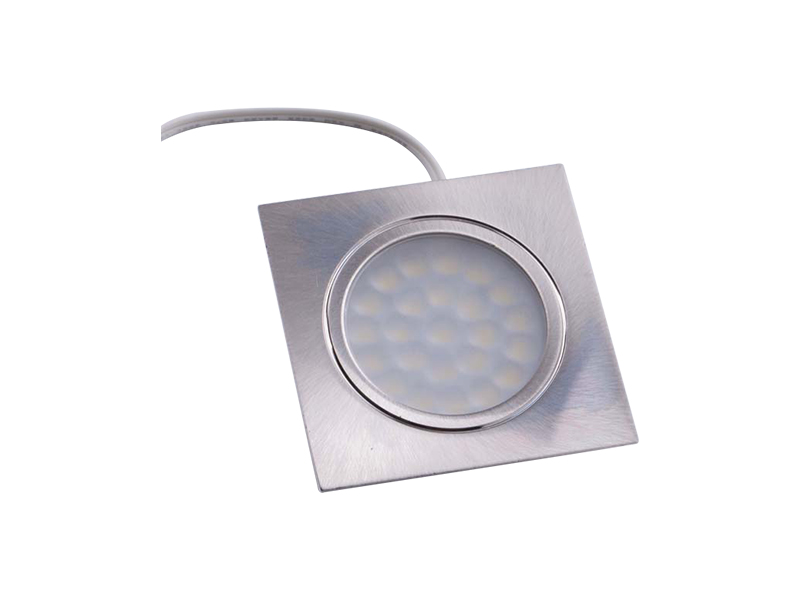
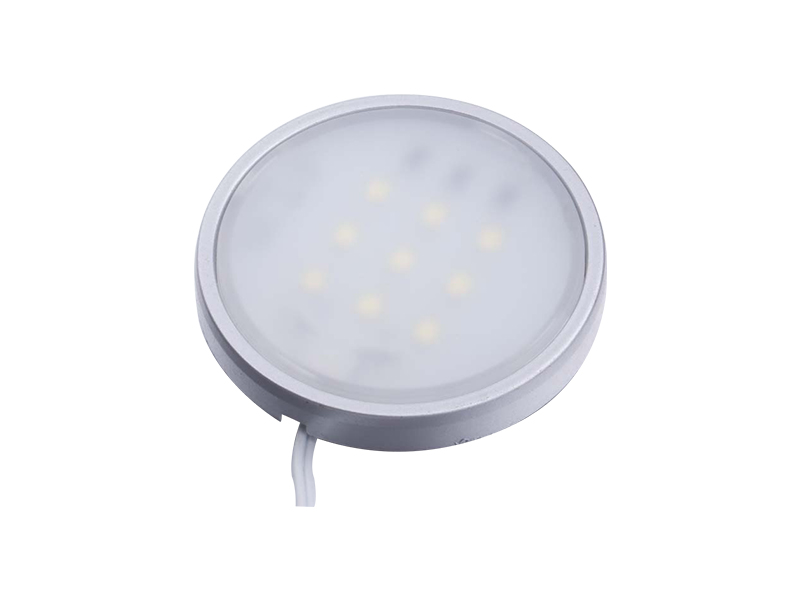
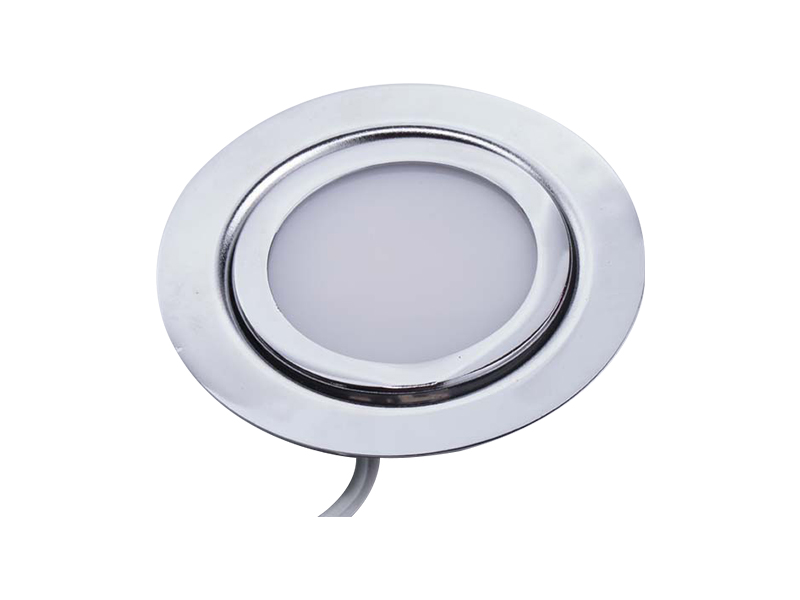
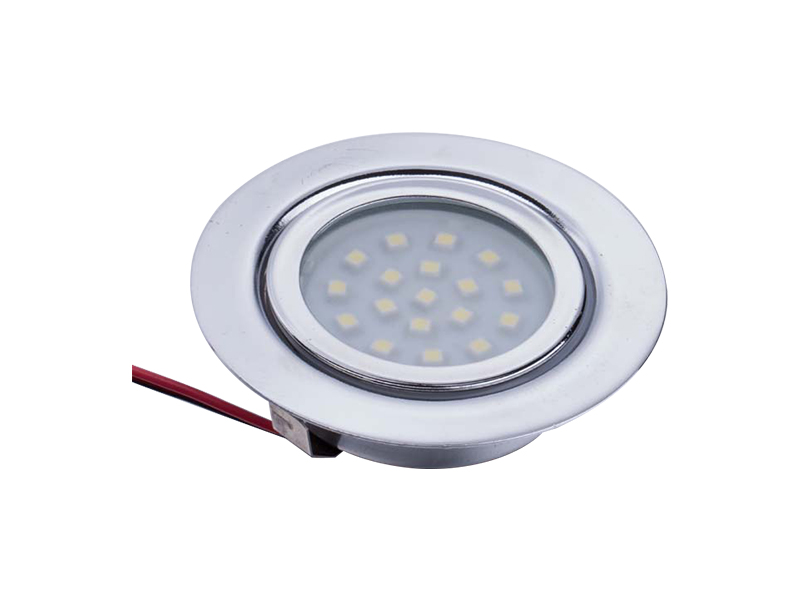
Recessed LED cabinet lights are installed into a cut-out section of the cabinet surface so that the fixture sits flush or nearly flush with the surrounding material. The housing is partially or fully embedded into wood, MDF, metal, or other cabinet materials. This installation style is often chosen when a clean, integrated appearance is desired, as the light source appears less prominent while still providing functional illumination.
Basic Concept of Surface-Mount LED Cabinet Lights
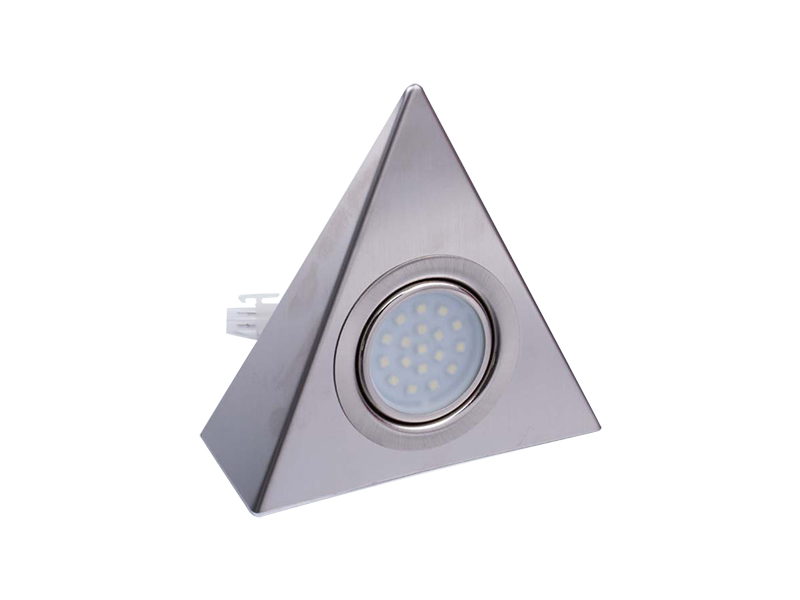
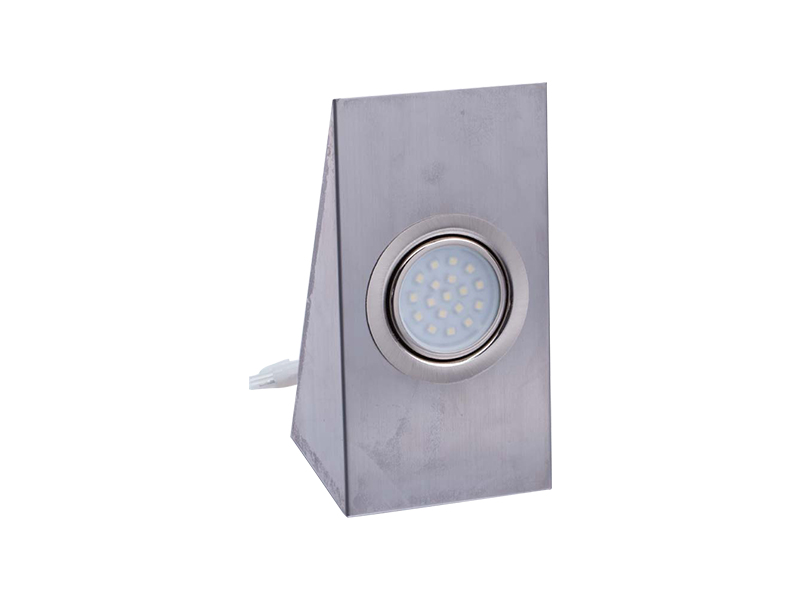
Surface-mount LED cabinet lights are installed directly onto the surface of the cabinet without cutting into the material. The fixture housing remains visible and is attached using screws, clips, or adhesive methods. This type of light is often selected when cabinet thickness is limited, when installation needs to be simplified, or when retrofitting existing furniture without structural modification.
Differences in Installation Requirements
One of the most noticeable differences between recessed and surface-mount LED cabinet lights lies in their installation process. Recessed lights require precise measurements and drilling or routing to create openings that match the fixture dimensions. This process demands appropriate tools and careful planning to avoid damaging the cabinet structure. Surface-mount lights, by contrast, usually involve a more straightforward installation, as they are fixed externally and do not require material removal.
Impact on Cabinet Structure and Material Thickness
Recessed LED cabinet lights require sufficient cabinet thickness to accommodate the fixture body and heat dissipation components. Thin cabinet panels may not support recessed installation without reinforcement. Surface-mount lights place minimal demands on material thickness, making them suitable for lightweight cabinets, glass shelves with mounting brackets, or metal furniture where cutting is impractical.
| Aspect |
Recessed LED Cabinet Lights |
Surface-Mount LED Cabinet Lights |
| Cabinet modification |
Cut-out required |
No cut-out needed |
| Material thickness |
Moderate to thick panels preferred |
Suitable for thin panels |
| Installation complexity |
Higher |
Lower |
Visual Appearance and Design Integration
Recessed LED cabinet lights tend to blend into the cabinet design, creating a streamlined look that aligns well with modern and minimalist interiors. Because the fixture is partially hidden, attention is drawn more to the illuminated area rather than the light source itself. Surface-mount lights are more visible and can become part of the cabinet’s visual language, which may be desirable in industrial, contemporary, or decorative applications.
Light Distribution and Beam Characteristics
The way light is distributed can differ between recessed and surface-mount designs. Recessed lights often produce a more focused beam due to their embedded position, which can help reduce glare when viewed from certain angles. Surface-mount lights may offer broader light dispersion depending on the fixture shape and diffuser design, making them suitable for evenly lighting larger cabinet interiors or countertops.
Glare and Visual Comfort Considerations
Glare control is an important factor in cabinet lighting, especially in kitchens and workspaces. Recessed LED cabinet lights naturally shield part of the light source within the cabinet, which can help reduce direct glare. Surface-mount lights rely more on diffusers and lens design to manage brightness, and their placement needs to be considered carefully to avoid discomfort when viewed directly.
Heat Dissipation and Fixture Design
LED fixtures generate heat during operation, and proper heat dissipation supports stable performance. Recessed LED cabinet lights may have limited airflow depending on how tightly they are installed within the cabinet material. This makes thermal design an important consideration. Surface-mount lights are exposed to surrounding air, which can assist heat dissipation and simplify thermal management, especially in continuous-use scenarios.
Maintenance and Accessibility
Access for maintenance and replacement differs between the two types. Recessed lights can be more difficult to remove once installed, particularly if they are secured tightly within the cabinet. Surface-mount lights are generally easier to access, making them more convenient when drivers, connectors, or fixtures need servicing. This difference can influence selection in commercial settings where maintenance efficiency matters.
Flexibility in Retrofitting Projects
In renovation or retrofit projects, surface-mount LED cabinet lights are often favored because they do not require altering existing cabinetry. They can be installed quickly with minimal disruption. Recessed lights are more commonly used in new installations or custom cabinetry, where design and construction can accommodate the required cut-outs from the beginning.
Compatibility with Different Cabinet Styles
Cabinet style plays a role in choosing between recessed and surface-mount lighting. Frameless cabinets and handle-less designs often pair well with recessed lights to maintain clean lines. Traditional cabinets with decorative details may accommodate surface-mount lights that complement hardware and finishes. Both options can be adapted to various styles when selected thoughtfully.
| Design Factor |
Recessed Lights |
Surface-Mount Lights |
| Visual presence |
Low-profile |
Visible fixture |
| Retrofit suitability |
Limited |
High |
| Maintenance access |
Moderate |
Easy |
Wiring and Power Supply Considerations
Both recessed and surface-mount LED cabinet lights require proper wiring and compatible power supplies, but routing cables can differ. Recessed installations often hide wiring within cabinet panels, contributing to a cleaner appearance. Surface-mount installations may require visible cable management solutions, such as channels or clips, especially when installed on open shelving.
Adaptability to Sensor and Control Options
Modern LED cabinet lights are frequently paired with sensors such as motion detectors, door switches, or touch controls. Both recessed and surface-mount designs can support these features, but surface-mount fixtures may allow easier integration of external sensors. Recessed fixtures often rely on remote or inline control modules concealed within the cabinet structure.
Cost Factors and Installation Labor
Overall cost differences between recessed and surface-mount LED cabinet lights are influenced by fixture price, installation labor, and tooling requirements. Recessed installations may involve higher labor costs due to cutting and precise fitting. Surface-mount lights can reduce installation time and associated labor, which may be an important consideration for large-scale projects.
Durability and Long-Term Use
Both types of LED cabinet lights can offer reliable performance when properly selected and installed. Recessed lights are protected by the cabinet structure, which can reduce the risk of accidental impact. Surface-mount lights may be more exposed but are often designed with durable housings. The surrounding environment and usage patterns play a greater role than mounting style alone in determining long-term behavior.
Application Scenarios in Residential Settings
In residential kitchens, recessed LED cabinet lights are commonly used under wall cabinets to provide task lighting for countertops while maintaining a low-profile look. Surface-mount lights may be chosen for pantry cabinets, wardrobes, or display areas where installation simplicity and flexibility are priorities. Homeowners often balance visual preference with installation practicality.
Application Scenarios in Commercial and Retail Spaces
In retail displays and commercial interiors, surface-mount LED cabinet lights are frequently used due to their adaptability and ease of replacement. Recessed lights are also used in custom showcases and high-end displays where visual integration is important. The choice often reflects project timelines, maintenance planning, and design intent.
Environmental and Usage Considerations
Environmental factors such as humidity, dust, and cleaning practices can influence mounting choices. In areas where cabinets are cleaned frequently or exposed to moisture, surface-mount lights with sealed housings may offer practical advantages. Recessed lights can also be used in such environments if they are designed with appropriate ingress protection and installed correctly.
Balancing Functionality and Aesthetics
Ultimately, the differences between recessed and surface-mount LED cabinet lights reflect a balance between functionality, appearance, and installation conditions. Understanding how each type interacts with cabinet design, user needs, and long-term maintenance helps designers and users select lighting solutions that align with real-world requirements rather than focusing on appearance alone.


 English
 Español
 中文简体
中文简体