Are LED cabinet lights suitable for use in environments with high humidity?
Understanding LED Cabinet Lights
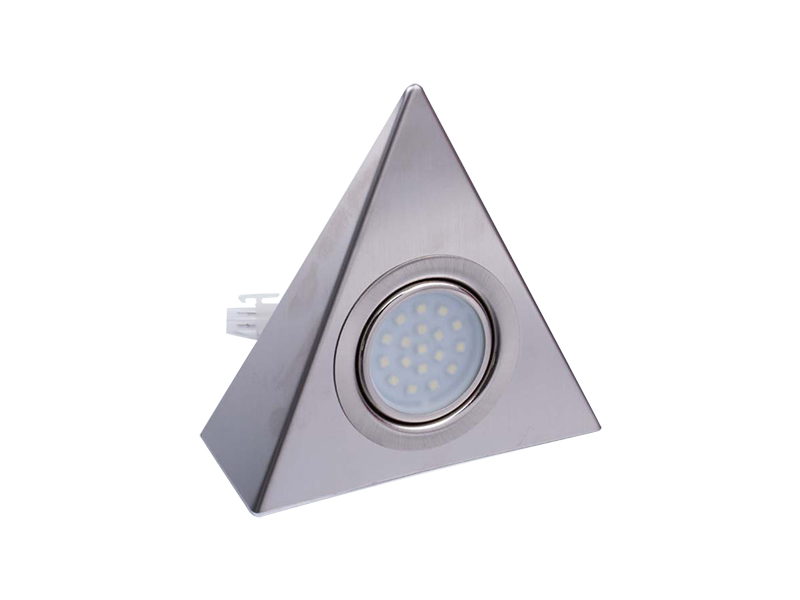
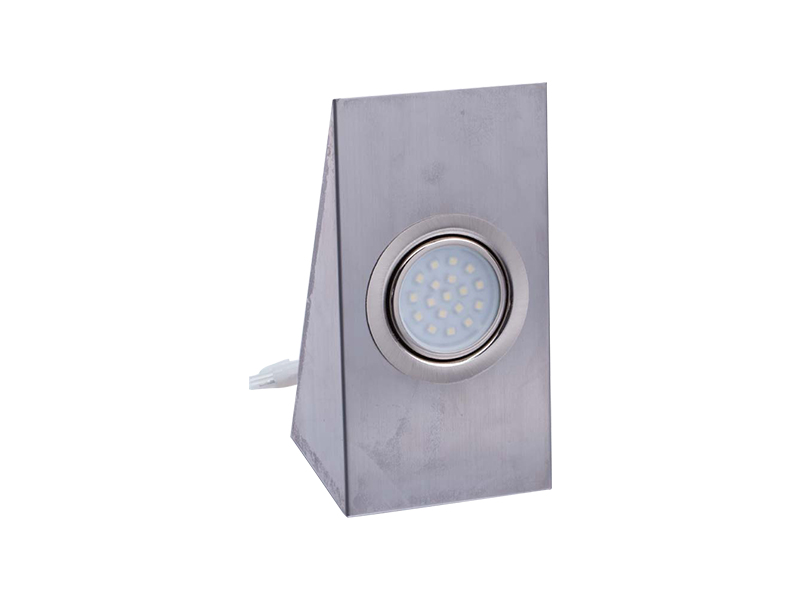
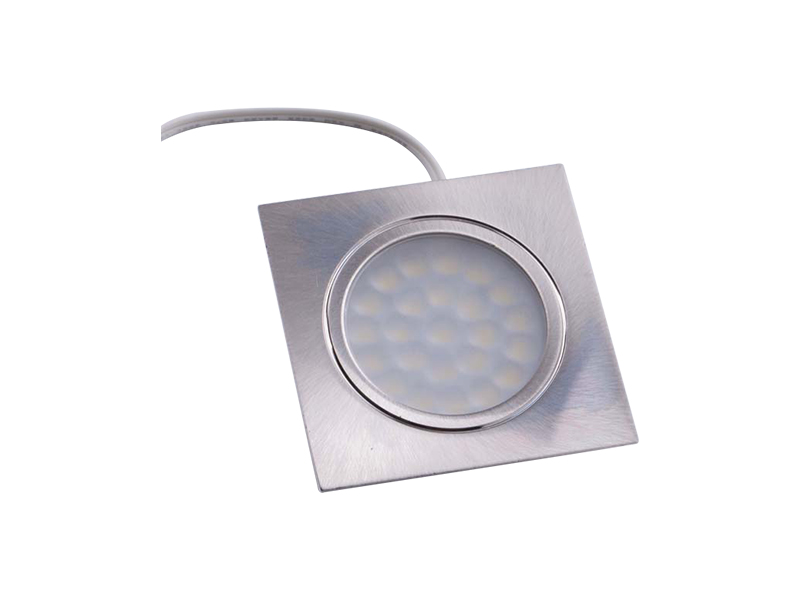
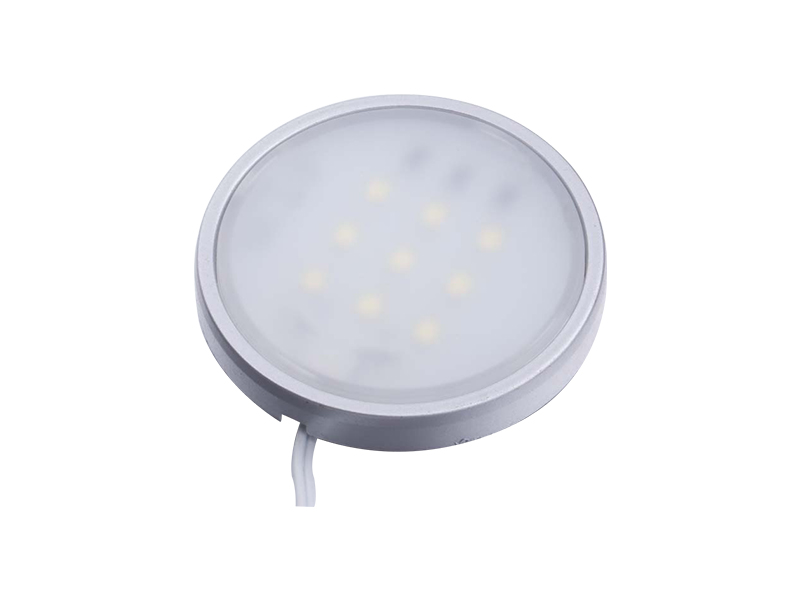
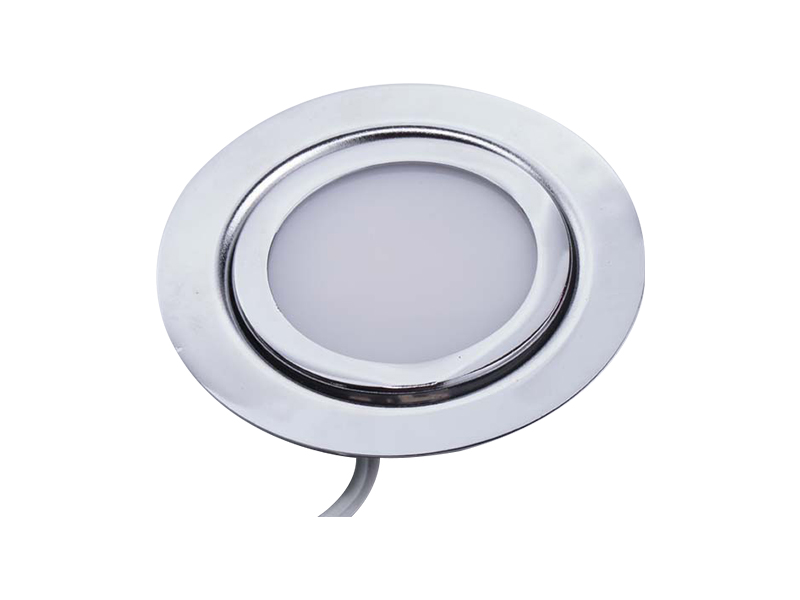
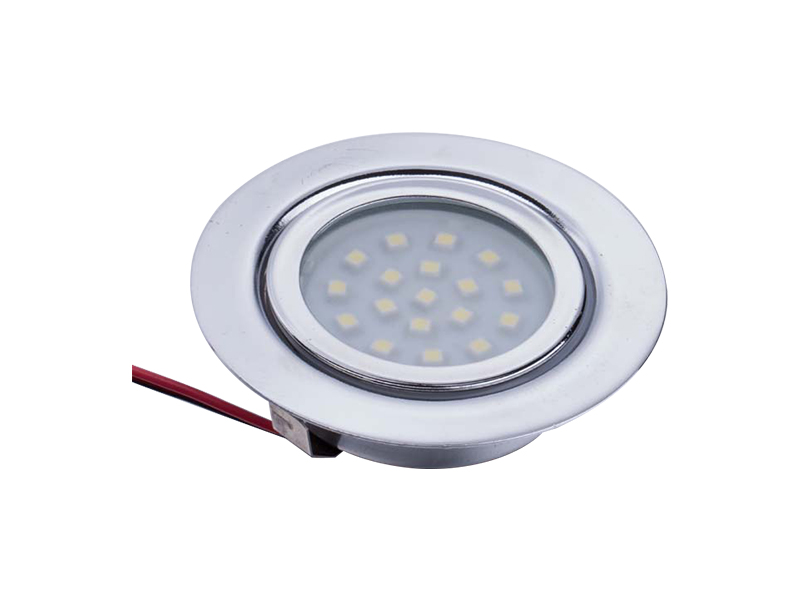
LED cabinet lights have become a popular lighting solution for a variety of indoor spaces. These lights are energy-efficient, long-lasting, and provide bright, clear illumination. Typically used in kitchen cabinets, display cabinets, or under-shelf applications, LED cabinet lights are available in various forms, including strips, panels, and puck lights. Their compact design and ease of installation make them a preferred option for spaces that require discreet yet effective lighting. However, one important consideration when using LED lights is the environment in which they will be placed, especially in areas with high humidity. The ability of LED cabinet lights to withstand moisture and damp conditions is an important factor in determining their suitability for such environments.
LED Lights and Humidity Resistance
LED lights, by their design, are generally more resistant to humidity compared to traditional incandescent or fluorescent lights. This is largely due to the fact that LEDs generate less heat, reducing the likelihood of moisture condensing within the light fixture. However, while LEDs themselves are more durable, the components used in their construction—such as the housing, wiring, and connections—can be susceptible to damage from excessive humidity. To ensure that LED lights perform optimally in high-humidity environments, it is essential to consider both the quality of the LED light itself and the specific features of the fixture that help protect it from moisture.
IP Rating and Its Importance in Humid Environments
When considering LED cabinet lights for use in high-humidity areas, one of the most important factors to look at is the IP rating. The IP (Ingress Protection) rating is a system used to measure the level of protection a light fixture has against moisture, dust, and other environmental factors. The IP rating consists of two digits. The first digit refers to the level of protection against solid objects (like dust), while the second digit indicates the level of protection against liquids (like water). In environments with high humidity, it is important to choose LED lights that have a higher second digit in the IP rating, such as IP65 or higher, as these fixtures are better equipped to handle water exposure and moisture buildup. A light fixture rated at IP65, for example, would be completely protected against dust and can withstand water jets from any direction, making it more suitable for areas with high humidity.
Suitability for Kitchens and Bathrooms
In kitchens and bathrooms, where high humidity levels are common due to cooking or showering, LED cabinet lights can be suitable if the correct protection is in place. Kitchens, for example, often experience steam and water vapor from cooking, which can cause damage to lighting fixtures if they are not properly sealed. Similarly, bathrooms experience frequent changes in humidity levels, particularly around showers or bathtubs. In both cases, choosing LED lights with a sufficient IP rating (at least IP44 or higher) is crucial for ensuring longevity and consistent performance. Additionally, it is important to install the lights in a way that minimizes direct exposure to water sources, such as avoiding placement directly above sinks or within the reach of showerheads.
Corrosion Resistance of LED Fixtures
Another consideration when using LED cabinet lights in humid environments is the material of the light fixture. Humid conditions can lead to corrosion of metal components if they are not made of corrosion-resistant materials. For example, stainless steel or aluminum housings are commonly used in LED fixtures for environments prone to moisture, as these materials are resistant to rust and degradation. Plastic and polymer housings can also be a good option, as they are lightweight, durable, and resistant to corrosion. When selecting LED lights for humid areas, it is essential to check the construction materials and ensure they are designed to withstand the corrosive effects of humidity over time.
Ventilation and Condensation Prevention
In areas with high humidity, proper ventilation is essential to prevent condensation from forming within the LED light fixture. Condensation occurs when warm, moist air comes into contact with a cooler surface, causing water droplets to form. If condensation collects inside an LED light, it can damage the electrical components or cause the light to fail prematurely. To mitigate this issue, it is important to install LED cabinet lights in areas where air circulation is good. Additionally, ensuring that the fixtures are sealed properly to prevent moisture ingress is key. Some LED fixtures come with built-in ventilation features or moisture-resistant seals to help reduce the risk of condensation inside the housing.
Energy Efficiency in Humid Environments
LED lights are known for their energy efficiency, and this advantage extends to environments with high humidity as well. LEDs consume much less energy compared to incandescent or fluorescent lighting options, which is particularly important in areas where the lights are on for extended periods, such as kitchens and bathrooms. The low energy consumption of LED lights helps reduce the overall power usage, even in humid conditions where the lights may need to run longer to maintain visibility. As a result, using LED cabinet lights in humid environments can lead to long-term energy savings while still providing effective and reliable lighting.
Moisture Protection Accessories for LED Lights
In some cases, it may be necessary to use additional moisture protection accessories when installing LED cabinet lights in high-humidity areas. These accessories, such as moisture-resistant covers or seals, can provide an extra layer of protection to prevent water and moisture from affecting the internal components of the light. These accessories are especially useful for installations in bathrooms or kitchens where exposure to steam, water vapor, or direct splashes may occur. It is important to choose high-quality accessories that are designed for use with LED fixtures, as improperly fitted seals or covers can lead to reduced effectiveness or even cause damage to the lights over time.
Durability and Lifespan in Humid Environments
LED lights are generally more durable than traditional lighting solutions, and their longevity is a key reason for their popularity. In humid environments, the lifespan of LED lights can be affected by factors such as temperature fluctuations, condensation, and exposure to water. However, when installed with the proper precautions, LED cabinet lights can last for many years without degradation. The fact that LEDs operate at lower temperatures and produce less heat than traditional bulbs means they are less likely to suffer from heat-related damage in humid conditions. By selecting LED fixtures with the right IP rating and materials, it is possible to extend the lifespan of the lights even in environments with high humidity.
Installation Tips for LED Cabinet Lights in High-Humidity Areas
When installing LED cabinet lights in environments with high humidity, it is important to follow certain installation guidelines to ensure optimal performance and durability. First, ensure that the lights are placed away from direct water sources, such as sinks or showers, to reduce the risk of water ingress. Second, if possible, install the lights in areas with good ventilation to help maintain a dry environment around the fixture. Finally, be sure to choose LED lights with an appropriate IP rating for the specific level of humidity in the area. These precautions will help to ensure that the lights perform effectively and last for an extended period, even in high-humidity settings.
LED Cabinet Lights in High Humidity
LED cabinet lights can be suitable for use in environments with high humidity, provided that the right precautions are taken. Choosing LED lights with an adequate IP rating, corrosion-resistant materials, and proper ventilation can significantly increase their durability and efficiency in humid conditions. Furthermore, the energy efficiency and longevity of LED lights make them an ideal option for spaces such as kitchens and bathrooms where humidity levels tend to fluctuate. With the right installation and maintenance, LED cabinet lights can offer reliable, long-lasting performance in environments with high humidity.


 English
 Español
 中文简体
中文简体