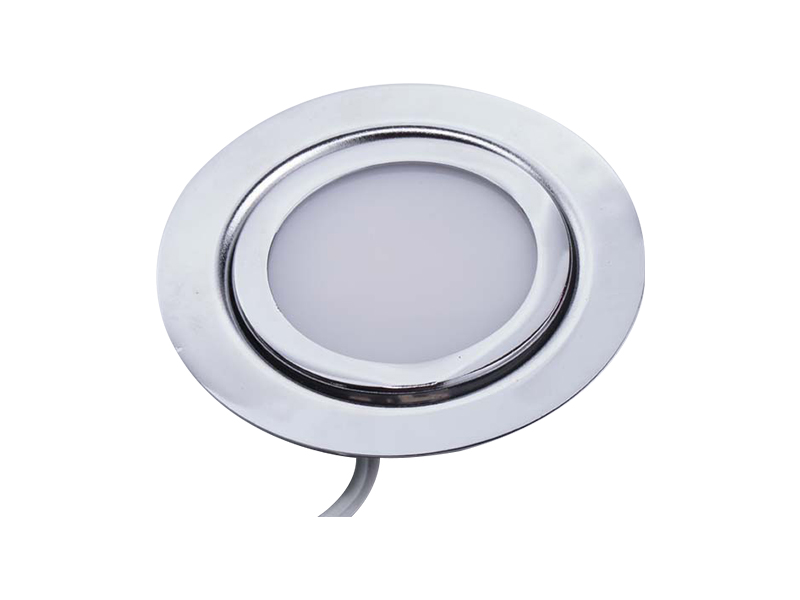
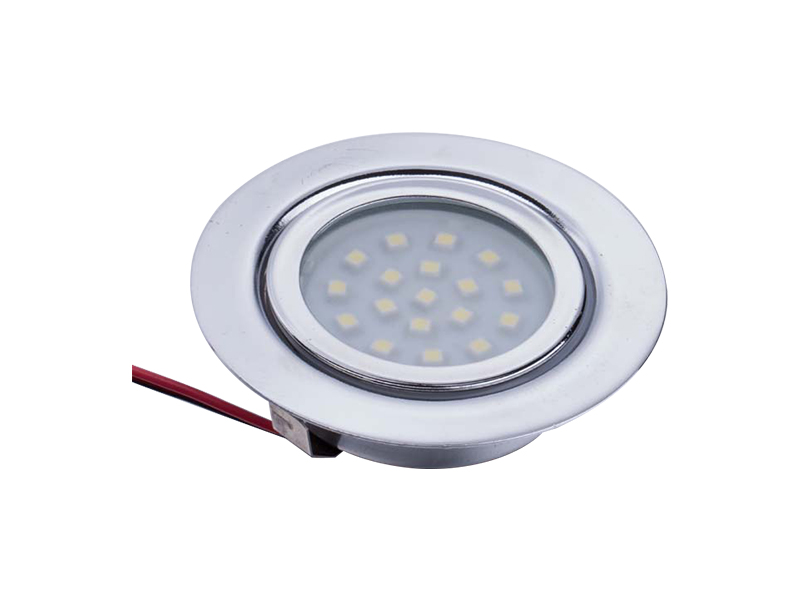
Hardwired under LED cabinet lights deliver a cleaner, permanent installation with no visible cords, while plug-in strip lights install in minutes without an electrician and work well for renters or quick upgrades. The right choice comes down to whether the installation is permanent or temporary, and how much control over dimming, color temperature, and switching the household actually wants.
2700K–4000K common color temperature range for kitchen task lighting
200–450 lm/ft typical brightness output for task-quality LED strips
80+ CRI recommended minimum color rendering index for food prep areas
50,000 hrs typical rated lifespan for quality LED strip lighting
Hardwired vs Plug-In Under LED Cabinet Lights
Both lighting types accomplish the same basic goal — illuminating countertops from beneath upper cabinets — but they differ significantly in installation complexity and long-term flexibility. Hardwired systems connect directly into the home's electrical wiring, typically requiring a licensed electrician and often tying into an existing switch or dedicated circuit. Plug-in systems use a transformer that connects to a standard wall outlet, with the light strips or fixtures linked together and mounted using adhesive backing or mounting clips.
Hardwired Under Cabinet Lights
- No visible cords or plugs
- Can be wired into existing wall switches
- Requires professional installation in most cases
- Permanent installation, harder to relocate later
Plug-In Under Cabinet Lights
- Installs in minutes without an electrician
- Easy to relocate or remove entirely
- Cord and transformer may be visible depending on outlet placement
- Ideal for rental properties and temporary kitchens
Color Temperature and Why It Affects Kitchen Function
Color temperature, measured in Kelvin, determines whether under LED cabinet lights produce a warm, yellowish glow or a cooler, more clinical white light. Getting this wrong is one of the most common regrets among buyers, since the wrong color temperature can clash with existing kitchen lighting or make food prep areas feel either too dim or too harsh.
| Color Temperature |
Visual Effect |
Best Suited For |
| 2700K–3000K (warm white) |
Soft, yellowish, cozy glow |
Kitchens with warm wood tones, traditional decor styles |
| 3500K–4000K (neutral white) |
Balanced, clean white light |
Most general-purpose kitchens, versatile with mixed decor |
| 5000K–6500K (daylight/cool white) |
Bright, bluish-white light |
Task-focused prep areas, modern or clinical-style kitchens |
Practical tip: Matching the under-cabinet light's color temperature to existing overhead or pendant lighting prevents an inconsistent, mismatched look where one light source appears noticeably warmer or cooler than the other when both are on simultaneously.
Brightness Levels and Matching Output to Counter Use
Brightness for under LED cabinet lights is typically measured in lumens per foot, and matching output to how the counter space actually gets used prevents both underlit prep areas and excessively bright, glare-heavy surfaces.
- 150–200 lumens per foot: Suited to ambient or accent lighting rather than detailed task work.
- 200–300 lumens per foot: A solid baseline for general food prep and everyday counter visibility.
- 300–450 lumens per foot: Better suited to detailed prep work, reading recipes, or kitchens with darker countertop finishes that absorb more light.
LED Strip vs Puck Light vs Linear Bar Fixtures
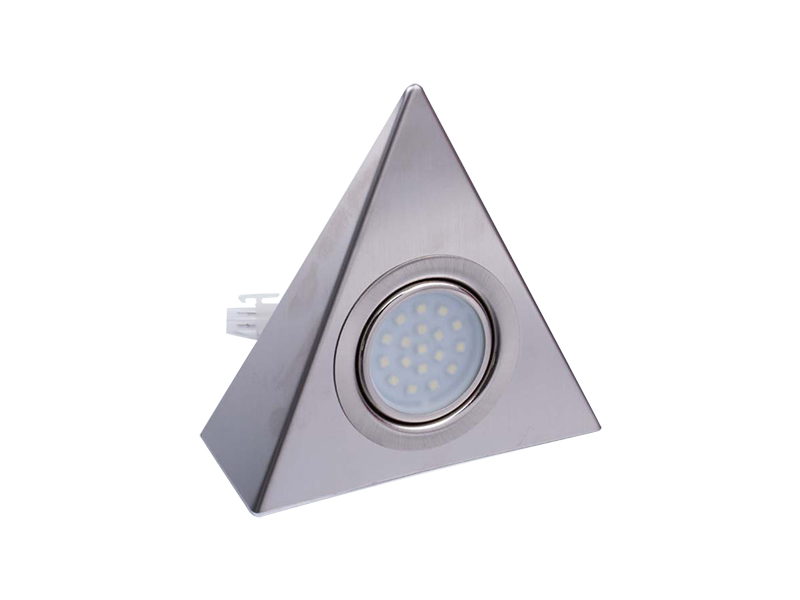
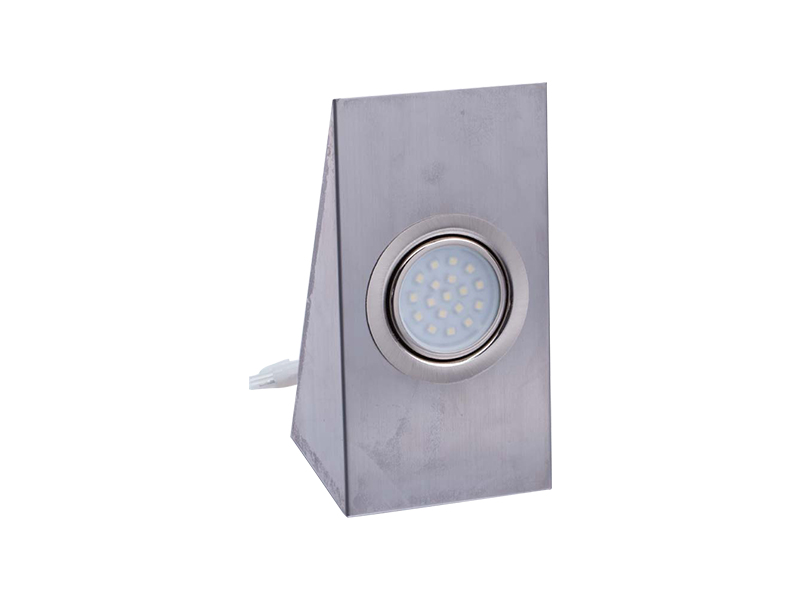
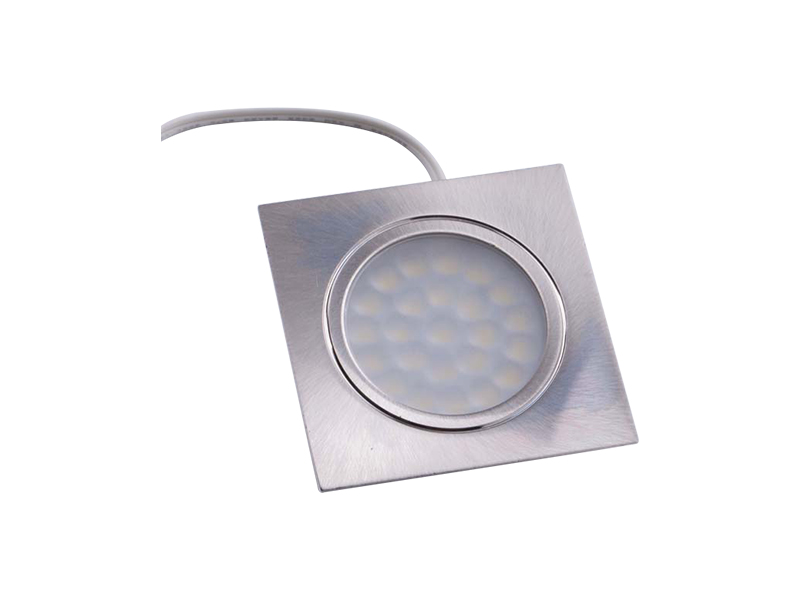
Beyond the hardwired versus plug-in decision, under LED cabinet lights come in several physical form factors, each with different coverage patterns and installation considerations.
| Fixture Type |
Light Coverage |
Best Application |
| LED strip lighting |
Continuous, even coverage along the full cabinet length |
Long countertop runs needing uniform illumination |
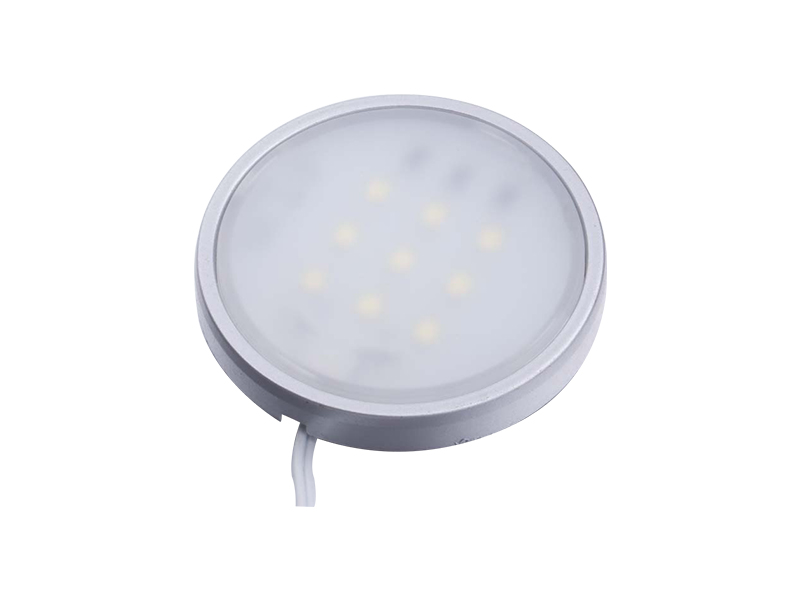
| Puck lights |
Spot coverage in individual circles |
Accent lighting or shorter cabinet sections |
| Linear bar fixtures |
Continuous coverage with a more rigid, defined light bar |
Modern kitchens wanting a cleaner, more architectural look |
Dimming and Smart Control Options
Control flexibility has become a significant factor for buyers upgrading kitchen lighting, particularly as smart home integration becomes more common in kitchen renovations.
- Basic on/off switching: The simplest control method, adequate for households that don't need adjustable brightness.
- Dimmable controllers: Allow brightness adjustment to match different times of day or tasks, from bright task lighting during meal prep to a softer glow for evening ambiance.
- App-controlled or voice-activated systems: Integrate with existing smart home ecosystems, allowing scheduling, remote control, and voice commands without a physical switch.
- Motion-activated sensors: Automatically trigger lighting when someone approaches the counter area, useful for nighttime kitchen visits without needing to locate a switch.
Power Supply Considerations for Larger Installations
Larger kitchens with extensive cabinet runs need careful attention to power supply capacity, since undersized transformers or power supplies are a common cause of dimming or flickering, particularly toward the far end of a long strip run.
- Calculate total wattage needed across the full cabinet run before selecting a power supply, rather than assuming a single standard transformer will cover an extended layout.
- Choose a power supply rated with at least 20% headroom above calculated wattage needs to avoid running the transformer at maximum capacity continuously.
- For runs longer than about 16 feet, consider splitting the installation across multiple power supplies to prevent voltage drop and uneven brightness along the strip.
- Confirm compatibility between the power supply and any dimming controller being used, since not all dimmers work with every transformer type.
What High-Value Kitchen Renovation Buyers Prioritize
Buyers investing in a full kitchen renovation or higher-end remodel tend to weigh factors beyond basic brightness and price when selecting under LED cabinet lights.
High CRI Rating
A color rendering index above 80, and ideally above 90, ensures food and countertop colors appear accurate and appetizing rather than washed out or artificially tinted.
Low-Profile, Concealed Fixtures
Slim fixture profiles that tuck neatly behind cabinet lips create a cleaner architectural look, avoiding visible hardware when viewed from a standing position at the counter.
Consistent Color Temperature Across Fixtures
Buyers combining under-cabinet lighting with other kitchen fixtures often prioritize matched color temperature across all light sources for a cohesive finished look.
Long Warranty Coverage
Extended warranty terms on the LED chips and driver components reduce the risk of premature failure being an out-of-pocket repair cost after installation.
Installation Tips for a Clean, Even Finish
A few installation habits make a noticeable difference in how finished and professional the final result looks, regardless of whether the system is hardwired or plug-in.
- Mount fixtures toward the front edge of the cabinet rather than the back, directing light onto the counter surface rather than against the backsplash.
- Use channel or track mounting systems for LED strips rather than adhesive alone, since adhesive backing can weaken over time from heat exposure near cooking areas.
- Route cords and connectors along the inside back edge of the cabinet to keep wiring hidden from view when standing at counter height.
- Test brightness and color temperature in the actual kitchen lighting conditions before final mounting, since lighting can appear different in a showroom versus the intended installation space.
Frequently Asked Questions
Are hardwired or plug-in under LED cabinet lights better?
Hardwired systems offer a cleaner, permanent installation with no visible cords, while plug-in systems install quickly without an electrician, making the better choice dependent on whether the installation is meant to be permanent or temporary.
What color temperature is best for under LED cabinet lights?
Neutral white in the 3500K to 4000K range works well for most kitchens, while warmer 2700K to 3000K lighting suits traditional decor and cooler 5000K or higher suits task-focused, modern kitchens.
How bright should under cabinet lighting be for food prep?
For detailed food prep work, 300 to 450 lumens per foot is generally recommended, while 200 to 300 lumens per foot works well for general everyday counter visibility.
Can under LED cabinet lights be dimmed?
Many systems support dimming through a compatible controller, allowing brightness to be adjusted for different times of day or tasks, though compatibility between the dimmer and power supply should be confirmed before purchase.
Do I need an electrician to install under LED cabinet lights?
Hardwired systems typically require a licensed electrician, especially when tying into existing wall switches, while plug-in systems can usually be installed without professional help.


 English
 Español
 中文简体
中文简体