LED Cabinet Light Buyer's Guide: Types, Specs, and Installation
The right LED cabinet light depends on the counter, not just the cabinet
Stand at a kitchen counter in the evening and switch on only the overhead fixture. Your own body casts the shadow that falls across the cutting board. That everyday problem is the practical reason under-cabinet lighting exists, and it is why LED cabinet lights have become a standard specification in residential and commercial kitchens alike.
The conclusion from successful installations is consistent: settle the light output, color quality, power source, and mounting style before comparing finishes or prices. A decorative housing cannot fix a fixture that is too dim, too warm, or wired into the wrong location. Get the specification right first, and the rest of the purchasing decision becomes much simpler.
Why LED cabinet lights fit confined spaces better than older sources
LEDs emit light directionally, which suits the shallow, narrow cavity under an upper cabinet. They generate much less heat than halogen lamps, so a row of fixtures will not warm the spice bottles stored above them or leave a noticeable heat stripe across the counter. Their low power draw also matters in kitchens where several fixtures operate at once, and their long rated service life reduces relamping cost in rentals, hotels, and multi-family buildings.
For under-cabinet task lighting specifically, those properties make LED the practical default for new work. The comparison that matters is not really LED versus halogen; it is which LED configuration fits your cabinet structure and electrical access.
Four cabinet light types, and when each one makes sense
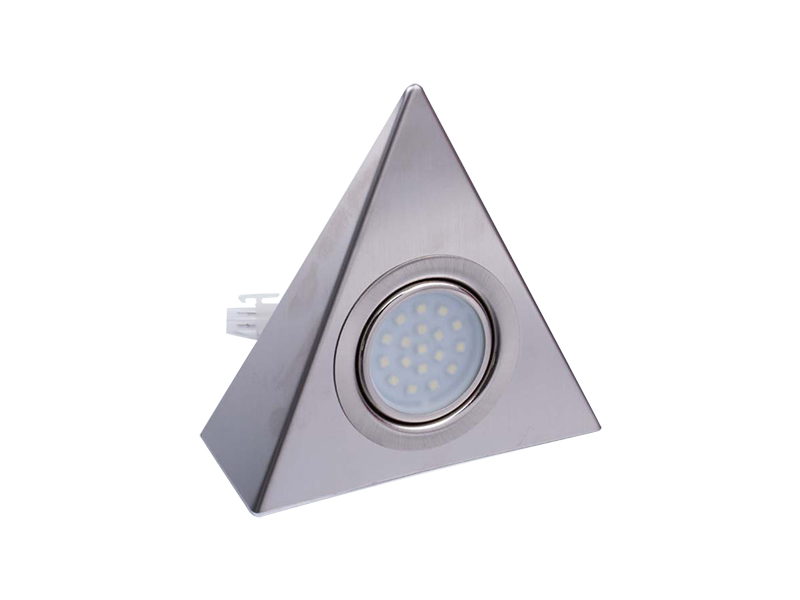
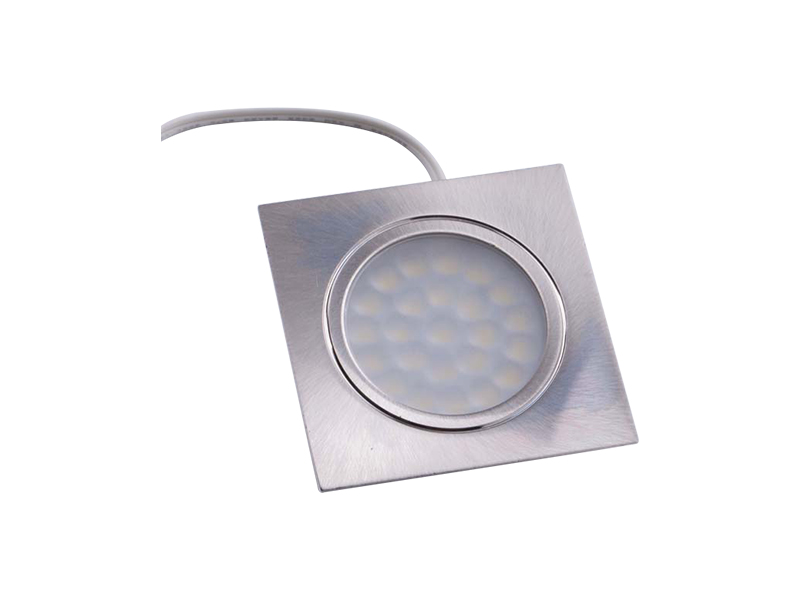
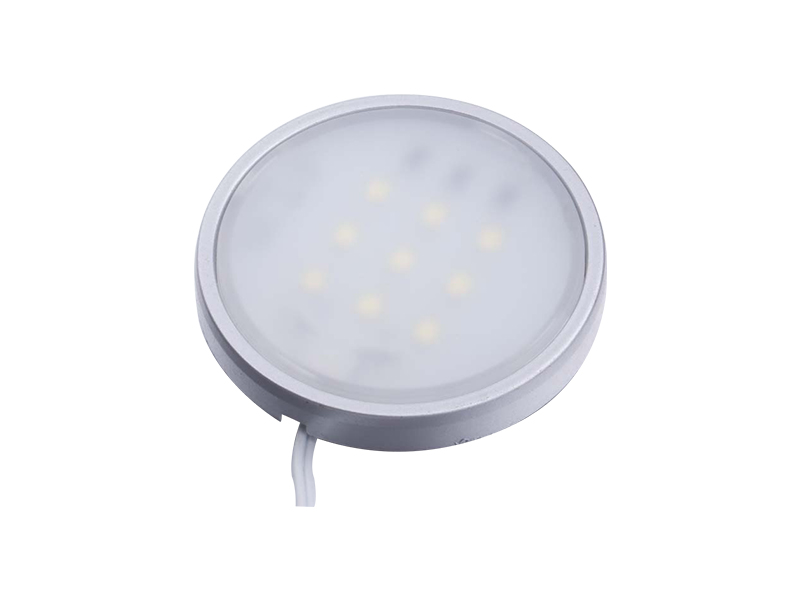
Under-cabinet fixtures come in four main configurations because kitchens differ in cabinet depth, back panel construction, outlet access, and renovation budget. Choosing the wrong type is the most common specification error, so match the fixture family to the electrical reality before you worry about lumen numbers.
Comparison of common LED cabinet light types by power source and installation effort
| Fixture type |
Power source |
Installation effort |
Best suited to |
| Hardwired linear fixture |
Direct AC wiring |
Moderate to high; wiring runs inside walls or cabinet tops |
Renovations, new builds, permanent layouts |
| Plug-in fixture |
Standard wall outlet |
Low; cord routed under the cabinet |
Existing kitchens with accessible outlets |
| Magnetic or battery fixture |
Rechargeable battery or low-voltage adapter |
Very low; attaches to metal or a mounting plate |
Rental spaces, temporary task lighting, frequent repositioning |
| Profile or strip light |
Low-voltage driver or hardwired AC |
Medium; one continuous length or several joined bars |
Long counters, display shelving, even light runs |
Hardwired fixtures reward a permanent electrical plan
Hardwired units connect directly to building wiring and stay fixed once installed. That makes them a good choice in a kitchen being rewired or built from scratch, because the electrician can run circuits before the backsplash goes in. The DK015 hardwired LED under-cabinet light is an example of a fixture designed for this permanent, wall-switched approach.
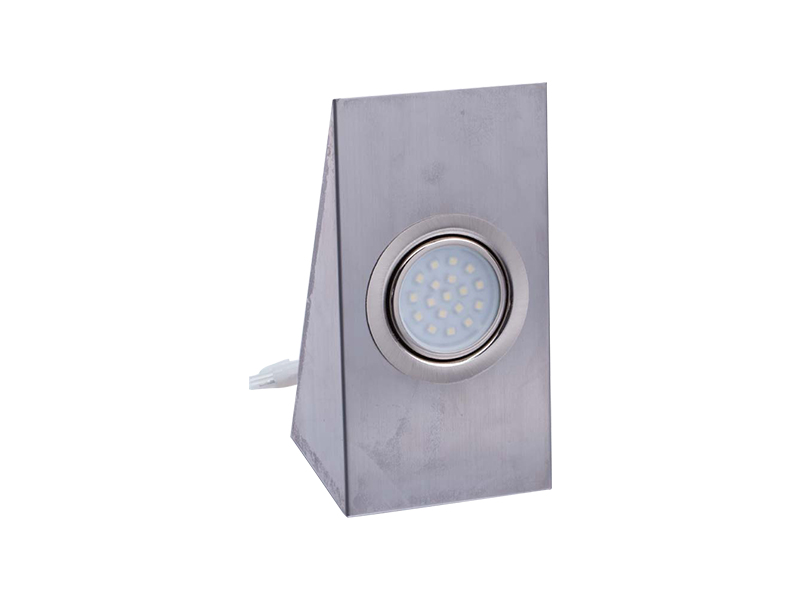 Wholesale DK-015 LED Under Cabinet Light Hardwired Suppliers, Manufacturers - NiNingbo Eastkey Illuminate Appliance Co, Ltd. is China wholesale DK-015 LED Under Cabinet Light Hardwired suppliers and manufacturers,■ In...View Product →
Magnetic fixtures offer flexibility without new wiring
When the counter layout changes often, or a rental kitchen does not permit new circuits, a magnetic unit is the simplest answer. These fixtures attach to a steel plate or the cabinet underside and detach for charging or repositioning. That is why models like the K003 magnetic LED under-cabinet light remain a practical option for quick retrofits, letting a homeowner get light immediately and decide later whether a permanent circuit is worth the work.
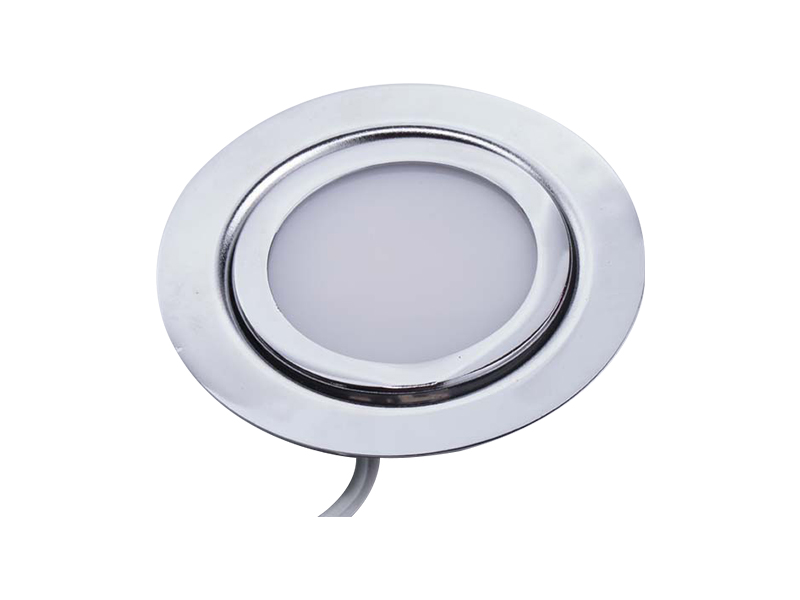 Wholesale K-003 Magnetic LED Under Cabinet Light Suppliers, Manufacturers - NingNingbo Eastkey Illuminate Appliance Co, Ltd. is China wholesale K-003 Magnetic LED Under Cabinet Light suppliers and manufacturers,■ Inpu...View Product →
Low-voltage systems suit chained runs and slim profiles
Low-voltage cabinet lighting uses a transformer to step line voltage down to 12V, which allows slimmer housings and simpler wiring between fixtures. The K004 AC/DC 12V LED cabinet light is built around this operating voltage, a common standard in cabinet light ranges because it balances brightness with safer, easier-to-manage low-voltage wiring in confined spaces.
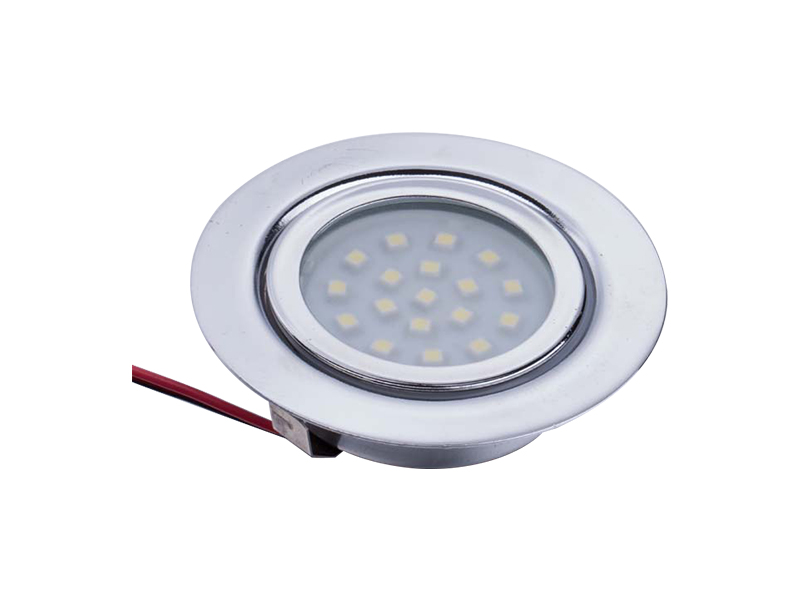 Wholesale AC/DC 12V LED Cabinet Lights Suppliers, ManufacturersNingbo Eastkey Illuminate Appliance Co, Ltd. is China AC/DC LED cabinet lights manufacturers and AC/DC LED cabinet lights suppliers, whol...View Product →
Specifications that separate a useful fixture from a frustrating one
Once the fixture type is fixed, the specification sheet decides whether the counter actually receives enough light. Four numbers deserve attention: lumen output, color temperature, color rendering index, and voltage.
Brightness
Lumen output tells you how much light a fixture emits, and a useful planning rule for a kitchen task area is roughly 400 lumens per linear foot of counter. Diffused lenses spread those lumens evenly, while focused clear-lens strips create brighter spots and sharper shadows. If a listing does not state the total lumen output, pause before ordering; a fixture sold only by wattage or LED count gives you no way to compare it with alternatives.
Color temperature
Color temperature sets both the mood of the room and the appearance of the food. 3000K warm white is the common residential kitchen choice, 4000K neutral suits commercial prep areas, and 5000K cooler light helps with detailed or inspection work. More important than preference is consistency: ask the supplier for the color temperature tolerance, because fixtures from different production batches can look visibly different side by side.
Color rendering
CRI measures how accurately colors appear under the light. A CRI of 80 or above is acceptable for general under-cabinet illumination, while 90 or higher is worth specifying when meat, produce, or finish samples are evaluated at the counter. The figure belongs in the written specification, not just in a conversation with the sales team.
Voltage and driver
Line-voltage hardwired fixtures connect directly to a wall switch but restrict where the fixture can be placed. Low-voltage products run cooler and allow slimmer profiles, yet they depend on a driver or transformer that has to sit somewhere accessible. Confirm whether the driver is integrated or remote, because a hidden driver in a sealed cabinet void can make a later failure expensive and disruptive to service.
Installation errors that still show up after the job is done
Even a correctly selected fixture performs badly if it is placed poorly. Measure the clearance under the upper cabinet before specifying a surface-mounted fixture, and check whether the cabinet bottom has a recess or a finished panel that changes the mounting depth. For a continuous run, plan the joints so they fall at cabinet seams where they are easier to hide. For low-voltage runs, route wires where they will not collide with drawers, and keep the driver reachable for service.
Spacing between fixtures should be set by beam spread, not by guesswork. Wide-beam or diffused fixtures can sit farther apart; narrow-beam units need tighter spacing or they produce alternating bright and dark bands across the counter. When in doubt, mount one fixture at the planned height, test the pattern, and confirm the layout before committing to the full order.
Controls, dimming, and the habits they create
The switch interface changes daily behavior more than most buyers expect. A wall switch works naturally for a hardwired row, provided the switch location is convenient. Touch controls on the fixture body are simple until the switch is hidden behind a stack of mixing bowls. Motion sensors are convenient in pantries and utility rooms, yet in a busy kitchen a sensor mounted near the sink may activate with any movement in front of it.
Dimming deserves a specific check. Not every LED cabinet light is dimmable, and dimmable fixtures often require a compatible driver and wall dimmer combination. If evening cooking or ambient kitchen lighting is part of the plan, confirm the dimming range and the required dimmer type in writing before purchase.
What to verify when buying from a manufacturer instead of a shelf
Distributors, renovation contractors, and brands ordering LED cabinet lights in quantity are not just buying a product; they are buying a specification they may have to defend if something fails. Before sending a purchase order to a factory, ask for written confirmation of three things:
- The LED chip and driver brands used in the fixture.
- The color temperature tolerance between production batches.
- The certifications applicable to your target market, such as UL or ETL listings for the United States.
Also confirm the practical terms that protect a project schedule: minimum order quantity, lead time, replacement policy for failed units, and whether the factory offers modifications such as custom length, connector type, or color temperature. A manufacturer that answers these points with documentation is far easier to include in a serious bid than one that offers only a catalog page.
Eastkey, the manufacturer behind the LED cabinet light range described here, presents itself as a production-oriented supplier with its own workshops, quality inspection equipment, and a stated policy of responding to weekday inquiries within 12 hours. That commitment to communication matters most when a project is behind schedule and a specification question needs a fast answer.
Choose the light by the task, then confirm the numbers
Under-cabinet lighting fails in predictably small ways: the wrong type fights the wiring, the wrong lumen level leaves shadows, and the wrong color temperature makes the room feel clinical. Each of those outcomes is avoidable when you fix the fixture type, lumen output, color temperature, CRI, voltage, and control interface before you talk price.
Once those decisions are written down, the search narrows to manufacturers that can supply the exact configuration and back it with clear documentation. Start with the LED cabinet light category on the Eastkey site to see typical mounting styles and voltages, then use the specification checklist above to compare fixtures against your own counter layout.


 English
 Español
 中文简体
中文简体