
 English
 Español
 中文简体
中文简体News
Home / News / Industry News / Choosing Interior Lighting Manufacturers: A Practical Sourcing Guide for Buyers
You are comparing interior lighting manufacturers for a bathroom renovation project. The catalog photos look similar, the specifications look similar, and the prices are close. Then the first sample batch arrives, and one of the fixtures starts humming after a week. This is a common story, and it points to a simple conclusion: the way to judge a lighting factory is not by its website alone but by the decisions it has already made about manufacturing, product engineering, and service.
This guide covers the five checks that matter most when sourcing interior lighting from a manufacturer, with practical examples from Eastkey, a Ningbo-based maker of mirror lights and under-cabinet lights.
A real manufacturer can show you physical evidence of production: its own workshop, warehousing space, and quality-control equipment. Traders and importers can build a professional website too, but they do not control the variables that cause most batch failures, from inconsistent soldering to late delivery.
Eastkey's product catalogue gives you a practical starting point: three focused categories, dozens of models, and a factory background that lines up with what the company says about itself. When a manufacturer can show both a wide internal range and in-house production, design changes are discussed with the people who can actually make them, not relayed through a middleman. Ask directly whether the factory owns its production line or outsources assembly. The answer will shape every later conversation about pricing, quality, and lead time.
A long product list is not impressive by itself, but the way the list is structured tells you how the engineering team thinks.
Take the LED mirror light category. A manufacturer that offers only one or two shapes is probably assembling a generic board into a generic housing. A producer with wall-mounted, built-in, corner, telescoping, and circular 3D versions is working from a different position. Each form factor requires its own tooling, heat-dissipation layout, and mounting design. The more varied the product family, the more likely the factory has solved installation problems on real projects.
The function list matters even more. Antifog treatment, for instance, is one of the most useful additions in a bathroom. When you leave a hot shower running, a mirror with an integrated heating element stays clear while an ordinary mirror needs wiping. Eastkey's DK2511 anti-fog LED mirror light shows exactly this logic: the heated mirror surface is combined with a backlit LED module, so the buyer gets both visibility and a clean look.
 Eastkey DK2511 Anti-Fog LED Bathroom Mirror LightThis mirror combines a heated anti-fog surface with a backlit LED module, offering clear visibility and a sleek appearance. With chrome or satin finishes and multiple color temperatures, it suits bathroom projects where function and style matter.View Product →
Similar thinking applies to other controls. Touch switches, dimmable drivers, and presence sensors are not decorative extras; they change installation and maintenance requirements. A manufacturer that offers these as standard options is better prepared to discuss your own specifications than one that needs to source every component separately.
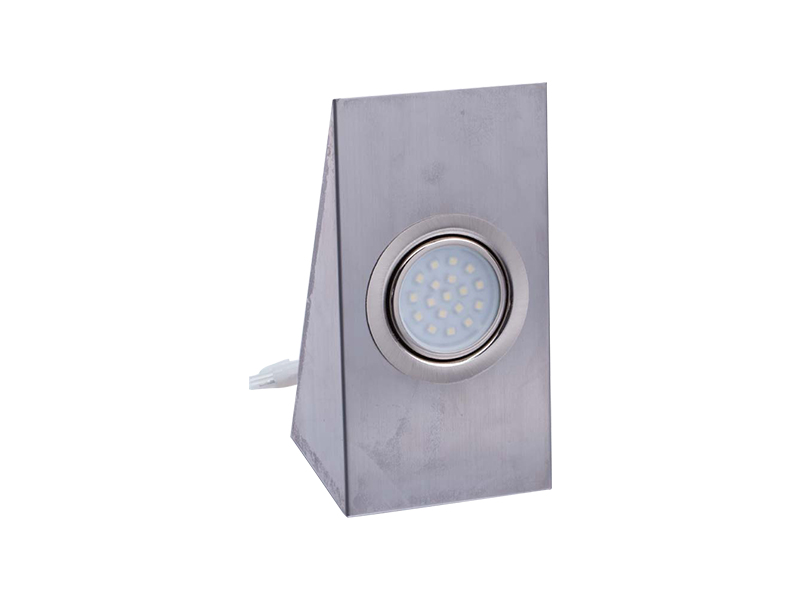
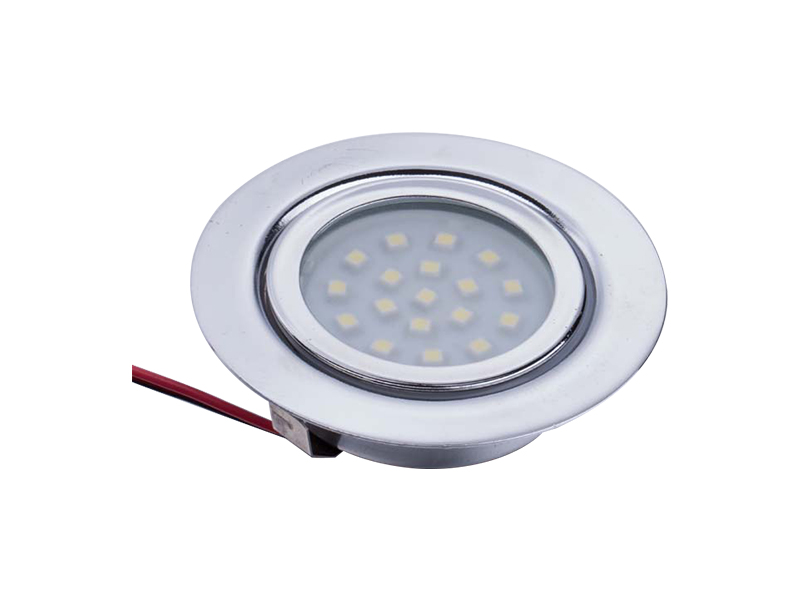
Under-cabinet lighting is a separate discipline. The main job is to illuminate the working surface without glare or harsh shadows. A triangular profile, such as the one on Eastkey's DK014, is a good example of design following function: the angled face directs light toward the back of the countertop, which reduces the shadow cast by your hands and by the cabinets themselves.
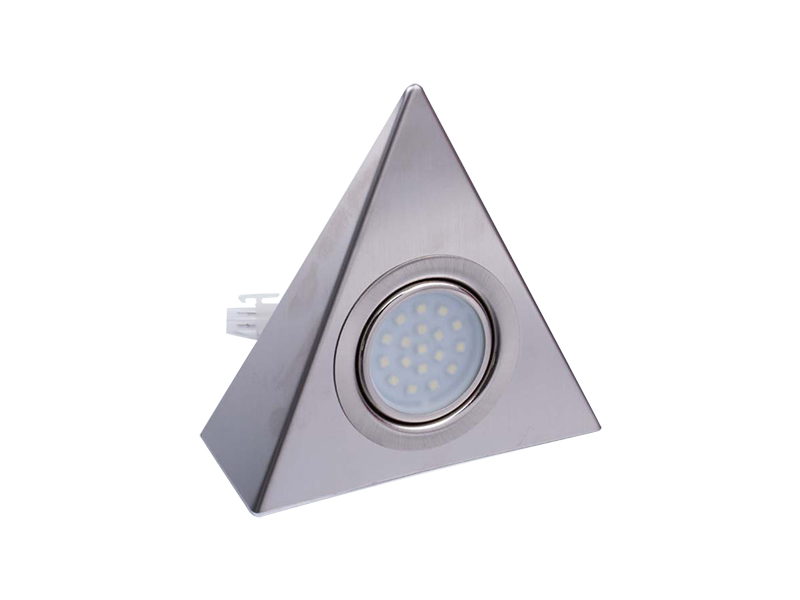 Eastkey DK-014 Triangular LED Under-Cabinet Profile LightIts angled profile directs light toward the countertop, minimizing shadows from hands and cabinets. Available with LED or halogen options, this fixture is designed for under-cabinet task lighting in kitchens and work areas.View Product →
Low-voltage DC operation is another factor worth checking in this category. 12V designs reduce shock risk in a kitchen where spills and steam are normal. Portable or magnetic models add flexibility if the fixtures will be moved between display cabinets or workstations. If the product line includes both hardwired and plug-in versions, the manufacturer understands that different projects have different wiring budgets.
Bathroom lighting lives in the worst combination of humidity, temperature swings, and cleaning chemicals. A fixture that works well in a dry living room may fail quickly in a bathroom. This is why moisture protection and electrical safety cannot be treated as afterthoughts.
Ask about IP ingress protection, the corrosion treatment on metal parts, and low-voltage options. A bathroom mirror light should at minimum be rated for damp locations, and the wiring should be sheltered from direct splash. It is also worth asking whether the driver is replaceable, because driver failure is the most common reason a seemingly good LED fixture stops working.
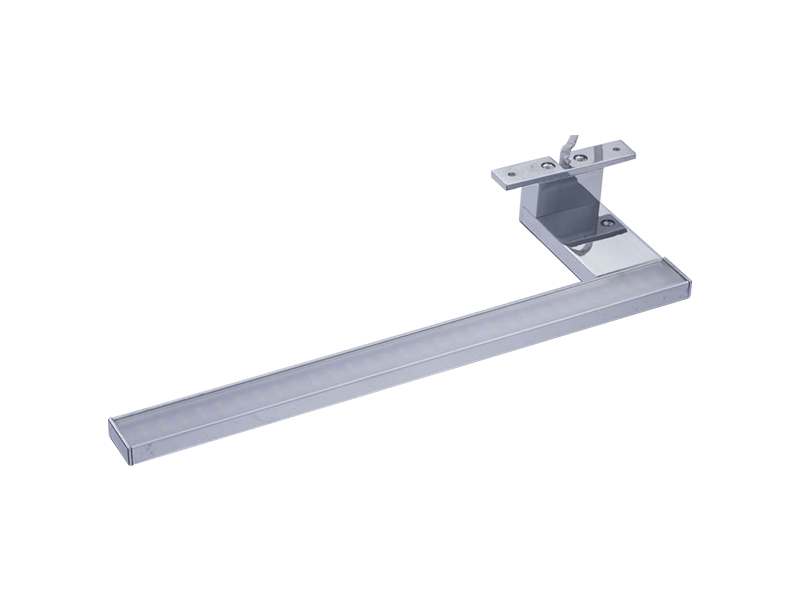
Sensor controls solve a separate safety problem: they stop users from reaching for a wet switch. The DK1140 LED sensor mirror light, for example, turns on and off based on presence, so hands stay dry and the wall plate stays clean.
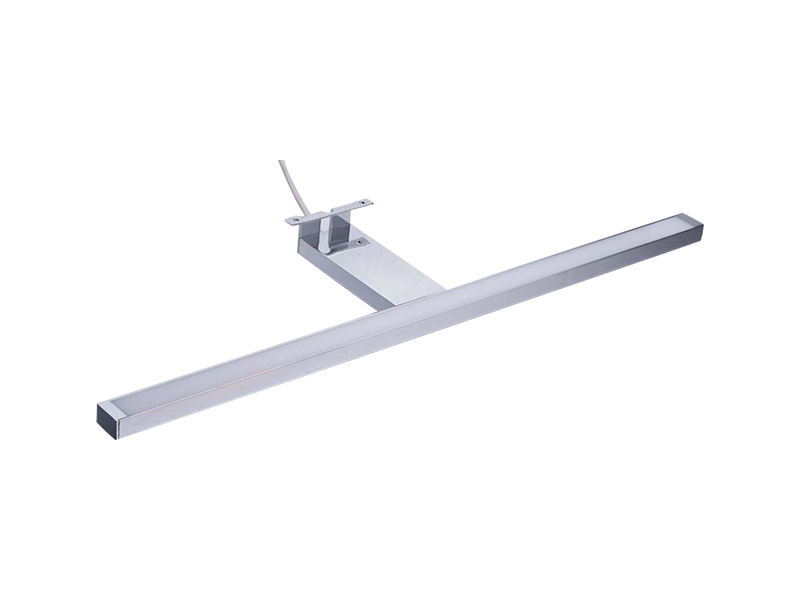 Eastkey DK-1140 LED Sensor Mirror LightThis sensor-controlled mirror light activates by presence, so users avoid touching wet switches. It offers an aluminum body in chrome or satin, along with selectable LED color temperatures, making it a practical choice for bathrooms.View Product →
A manufacturer's willingness to customize says more about its operational maturity than any marketing sentence. When you need a special length, a different color temperature, or a driver placed further away from the LED board, you need a factory that can turn your request into production drawings, not one that only supplies standard shelves.
Eastkey's approach to customization appears in its company notes on handling custom orders: listen carefully, respond patiently, and quote realistically. That last point matters. A factory that promises everything on the first call often fails on the third revision. A good manufacturer will tell you when a requested change is technically difficult and will suggest a practical alternative.
Delivery and response time complete the picture. A manufacturer that replies to inquiries within 12 working hours and gives a concrete delivery date is easier to work with than one that leaves you waiting for days. This is especially important with interior lighting, where lead times directly affect construction schedules.
When comparing interior lighting manufacturers, use this checklist to keep the conversation focused.
| Dimension | Questions to ask | Why it matters |
|---|---|---|
| Manufacturing depth | Do you own the production line? Where is the warehouse? | Separates real factories from traders; affects quality control and delivery reliability. |
| Product engineering | Do you offer multiple mounting forms and driver options? | Shows whether the team designs for real installations rather than copying a generic board. |
| Moisture and safety | What is the IP rating? Is the driver accessible and replaceable? | Determines whether the fixture survives humid bathrooms and wet kitchens. |
| Customization | Can you modify length, color temperature, and sensor logic? | Defines how closely the product fits your project instead of the reverse. |
| Communication and lead time | What is your response time? Can you commit to a delivery week? | Prevents stalled schedules and repeated email chasing. |
Use the table as a filter, not a scorecard. The right manufacturer is usually the one that answers these questions with specific references to its own production processes, not with generic assurances.
top

E-mail:[email protected]

Telphone:+86-574-88073028

FAX:+86-574-88073029
QR code on
mobile phone